معرفی
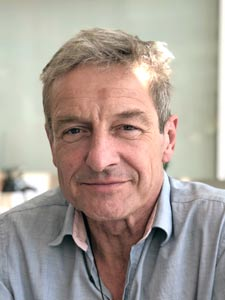
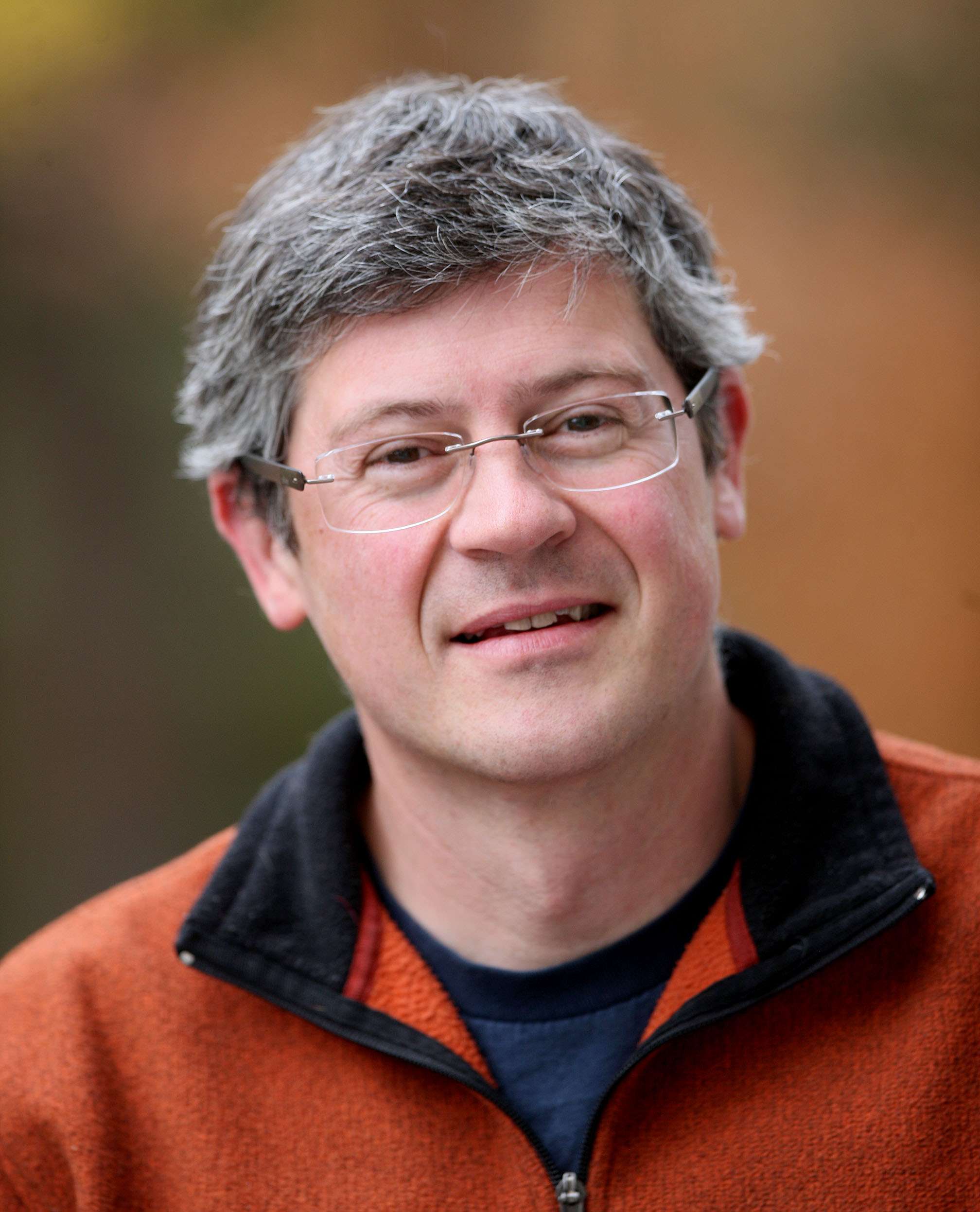
Markus Babst is a Professor of Biological Sciences at the University of Utah, where he leads research at the Center of Cell and Genome Science. His work focuses on protein trafficking mechanisms in eukaryotic cells using Saccharomyces cerevisiae as a primary model system.
His educational background includes:
- Diploma from Federal Institute of Technology, Switzerland
- Ph.D. from Federal Institute of Technology, Switzerland
Dr. Babst's research centers on post-translational regulation of plasma membrane proteins through endocytosis and endosomal sorting. Key investigations include ESCRT-mediated protein sorting into multivesicular bodies for lysosomal degradation and eisosome-regulated storage of nutrient transporters. His work demonstrates how calcium signaling and proton gradients control eisosome disassembly and transporter endocytosis, revealing fundamental mechanisms of cellular stress adaptation. This research bridges membrane biophysics, metabolic regulation, and organelle dynamics.
Analysis of his 15 most recent publications shows persistent thematic focus on membrane tension regulation, ESCRT complex dynamics, and nutrient transporter control. His work increasingly integrates mitochondrial metabolism with plasma membrane organization while maintaining yeast genetics as the core methodology. Recurring subfields include membrane contact sites, lipid domain organization, and stress-induced protein trafficking changes.
Dr. Babst's scientific contributions are evidenced by his extensive publication record in high-impact journals, though specific awards are not documented in available sources.
While student mentorship details are unavailable in the provided materials, his laboratory employs biochemical, genetic, and cell biological approaches to investigate membrane protein regulation. Grant funding specifics are not mentioned in the source text.
His laboratory operates within the University of Utah's biological research ecosystem, utilizing S. cerevisiae to dissect conserved eukaryotic mechanisms. Current work emphasizes plasma membrane tension dynamics, ER-plasma membrane contact sites, and metabolic regulation of membrane protein trafficking, with implications for understanding cellular adaptation in changing environments.