معرفی
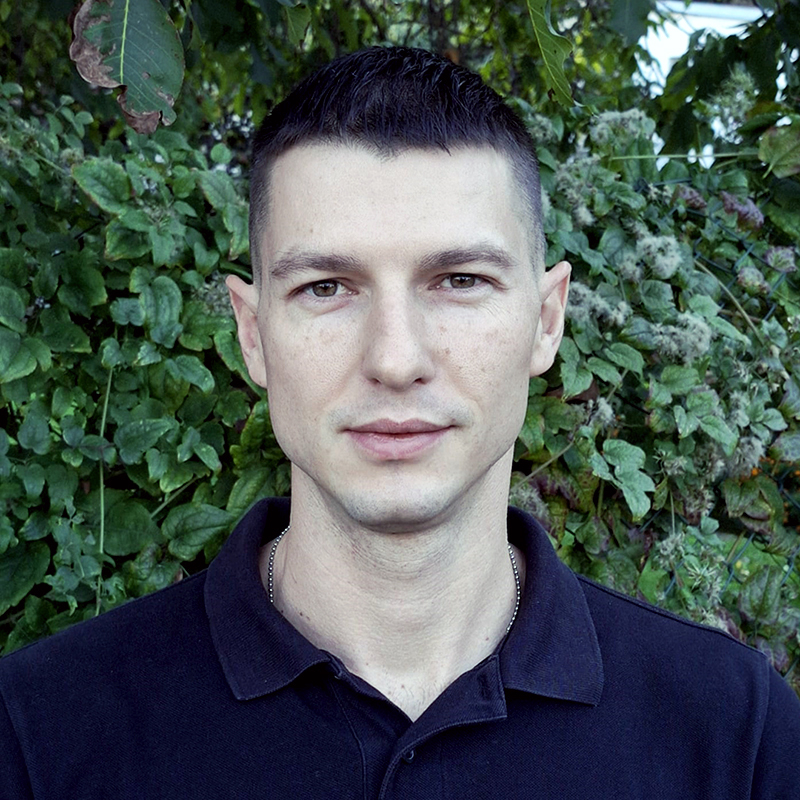
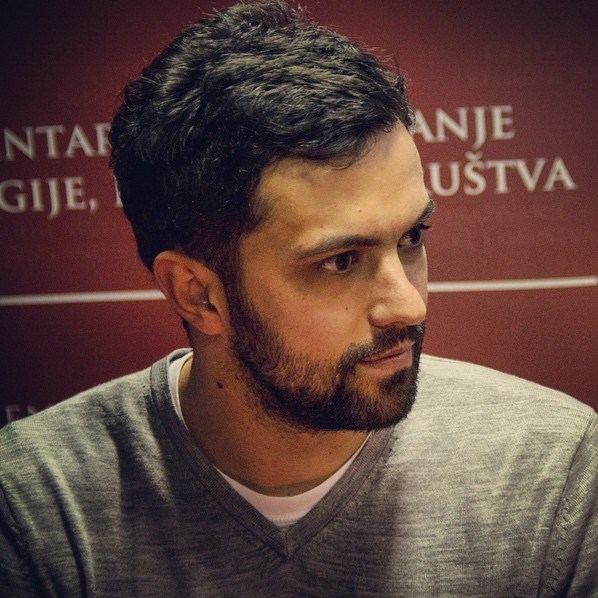
Marko Veković serves as Assistant Professor at the University of Belgrade's Faculty of Political Sciences, where he has been a faculty member since 2011. His academic journey began at the same institution, completing his basic studies in political science in 2010, followed by specialist and master's degrees, and culminating with a doctoral degree in political science in 2018.
Education:
- 2018: Doctoral studies in political science, University of Belgrade - Faculty of Political Science
- 2012: Master's degree, University of Belgrade - Faculty of Political Sciences
- 2012: Specialist Studies in Innovation of Knowledge, University of Belgrade - Faculty of Political Sciences
- 2010: Basic studies in political science, University of Belgrade - Faculty of Political Science
Research Focus:
His research primarily explores the intersection of religion and politics, with particular emphasis on Orthodox Christianity's role in democratization processes. His work spans comparative politics, examining how religious institutions influence political development in Southeastern Europe, especially in Greece, Serbia, and Russia.
He has conducted extensive research on religious diplomacy, studying how Orthodox churches engage with state authorities and influence political patterns. His interests also include the political dimensions of religious fundamentalism and extremism, as well as the role of diaspora religious communities in transnational politics.
Research Projects and International Collaboration:
Veković has participated in significant research initiatives including the British Academy-funded project "When States Fail: Forced Displacement, Religious Diplomacy and Human Security in Eastern Orthodox World" (2019-2020) and the Serbian Ministry-funded project "Civil Society and Religion" (2012-2019). His international experience includes postdoctoral studies at the University of Erfurt (2019) and visiting researcher positions at Columbia University (2016) and Temple University (2014).
Teaching:
He teaches a range of courses including Religion and Democracy, Political Science of Religion, Religious Communities in Serbia, and Religious Fundamentalism and Extremism at both undergraduate and master's levels.