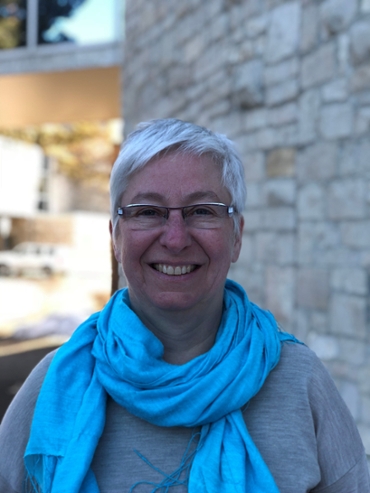
معرفی
Professor Mark Harris is a leading virologist at the University of Leeds, affiliated with the Faculty of Biological Sciences and the School of Molecular and Cellular Biology. His research focuses on the molecular mechanisms of positive-strand RNA virus replication, particularly hepatitis C virus (HCV), Chikungunya virus (CHIKV), SARS-CoV-2, and Ebola virus. He leads a dynamic research group exploring virus-host interactions and antiviral development.
His primary research interests lie in understanding how viral non-structural proteins facilitate genome replication and interact with host cell machinery. Key areas include the structure and composition of viral replication complexes, the role of phosphorylation in regulating viral protein function, and virus assembly mechanisms. His lab employs advanced techniques such as proteomic interactome analysis, cryo-electron microscopy, and high-resolution confocal imaging within a BSL3 containment facility—one of the few in the UK capable of handling HCV, CHIKV, and SARS-CoV-2.
Mark Harris is actively involved in structure-based drug design, collaborating with medicinal chemists at Leeds to develop small-molecule inhibitors targeting Ebola and SARS-CoV-2 replication. Another innovative project involves partnerships with Brazilian researchers to explore natural compounds from native flora as templates for novel antivirals. These efforts highlight a multidisciplinary approach bridging virology, structural biology, and pharmacology.
He collaborates extensively with colleagues including Juan Fontana and Michelle Peckham (imaging), Colin Fishwick and Martin McPhillie (chemistry), and international partners Carol Jardim and Paula Rahal in Brazil. These collaborations support both fundamental discovery and translational applications, particularly in antiviral development. Although specific grants are not listed, his access to BSL3 facilities and use of mini-genome systems suggest significant research funding and infrastructure support.
His laboratory operates at the forefront of RNA virology, combining molecular virology, imaging, and drug discovery to address pressing global health threats. The integration of basic science with therapeutic development underscores the translational impact of his work. While no formal advisees are listed, his leadership of major projects implies mentorship of postdoctoral researchers and graduate students.
حوزههای پژوهشی