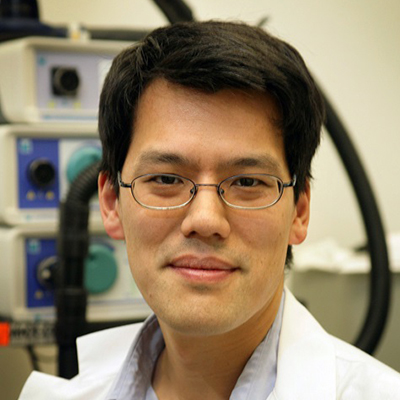
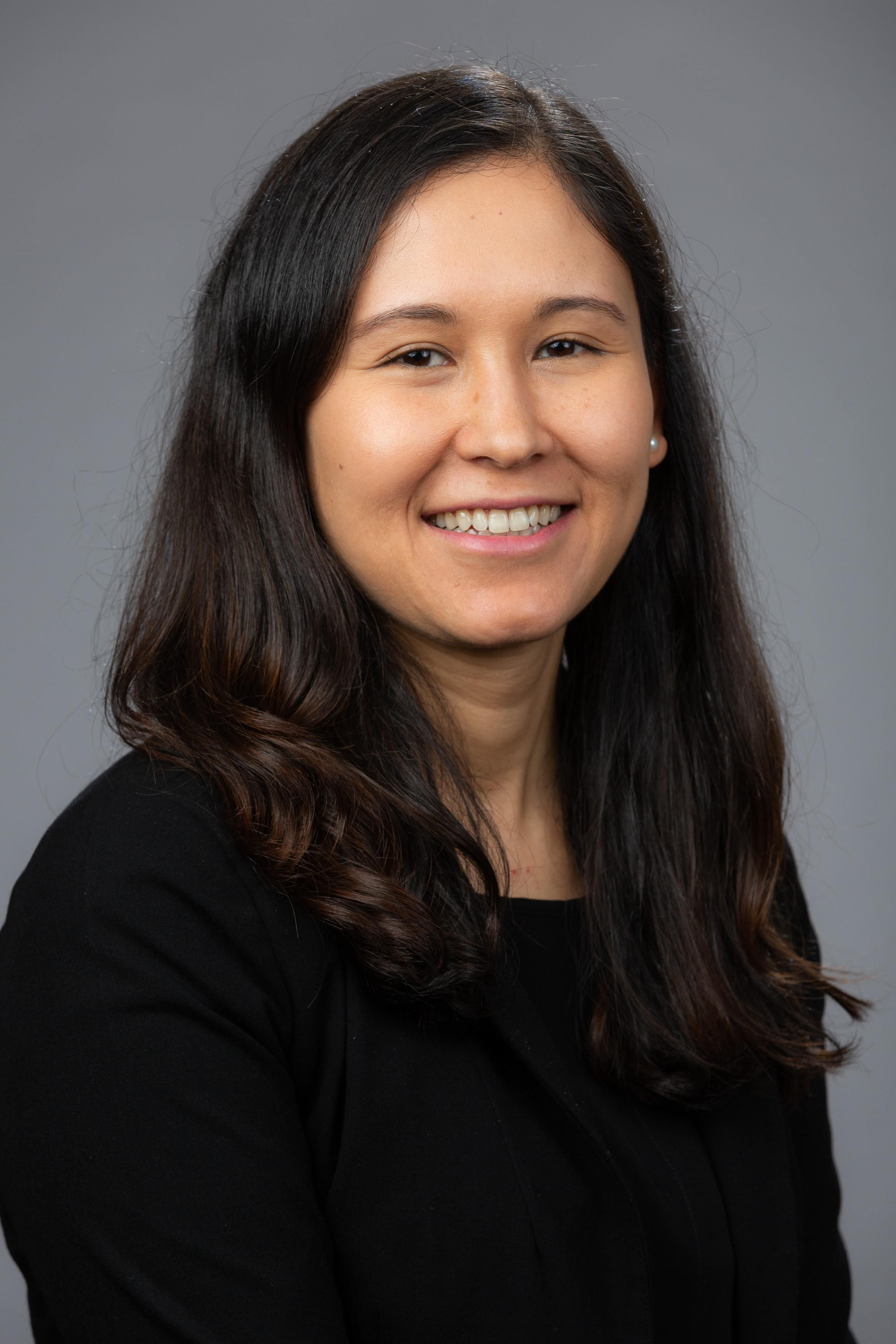
Mark Hallett
استاد مدعو · Movement Disorders
Uniformed Services University of the Health Sciencesمعرفی
Dr. Mark Hallett is an Adjunct Professor of Neurology at the Uniformed Services University (USU) School of Medicine and an NIH Distinguished Investigator leading the Human Motor Control Section at the National Institute of Neurological Disorders and Stroke (NINDS), NIH. He holds affiliations at Walter Reed National Military Medical Center and maintains a remote academic role through USU. His academic journey includes training at Harvard Medical School, Massachusetts General Hospital, and the Institute of Psychiatry in London. He previously served as Clinical Director of NINDS (1984–2000) and held leadership roles in prestigious organizations such as the International Federation of Clinical Neurophysiology and the Movement Disorder Society.
Education:
- B.A., Harvard College
- M.D., Harvard Medical School
- Neurology Residency, Massachusetts General Hospital
Research Focus: Dr. Hallett’s work centers on motor control principles and movement disorder pathophysiology, particularly functional movement disorders, dystonia, and Parkinson’s disease. His lab employs neuroimaging, electrophysiology, and neuromodulation techniques to explore therapeutic interventions and disease mechanisms.
Key Contributions: He pioneered studies on transcranial magnetic stimulation (TMS) for gait rehabilitation in Parkinson’s disease and developed novel treatments for functional movement disorders using corticolimbic modulation. His research also investigates genetic and psychological factors (e.g., TPH2 gene variants, childhood trauma) influencing neurological phenotypes.
Awards & Recognition:
- World Federation of Neurology Medal (2019)
- Fellowships and editorial leadership roles in major neurological journals
- Past presidencies of global neurology societies
Grants & Labs: His lab at NINDS collaborates extensively with clinical and basic science researchers. Active projects include studying transcallosal fiber latency via TMS and investigating the role of inferior parietal lobule dysfunction in writer’s cramp.