معرفی
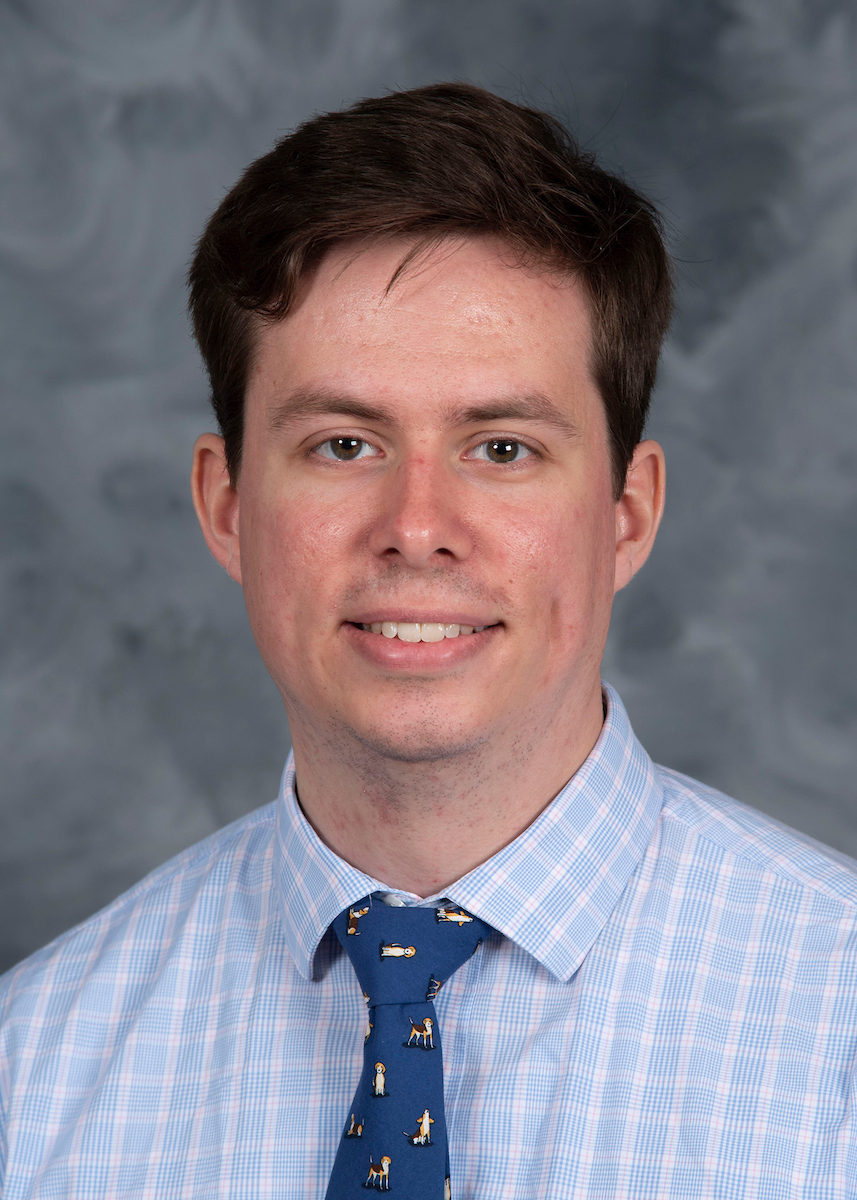
Dr. Mark Glyde serves as Associate Professor of Small Animal Surgery at Murdoch University, Australia, with 40 years of specialized clinical experience. He holds dual international credentials as a Diplomate of the European College of Veterinary Surgeons (DipECVS) and Member of the Australian College of Veterinary Scientists (MACVSc), while maintaining significant leadership roles in the AO Foundation as Chair of its Education Commission and member of the International Board.
His academic foundation includes:
- Bachelor of Veterinary Science (BVSc)
- Master of Veterinary Surgery (MVS)
- European College of Veterinary Surgeons Diplomate certification
- Australian College of Veterinary Scientists membership
Dr. Glyde's research program centers on advancing small animal orthopaedic interventions through biomechanical analysis of fracture repair systems, arthroscopic techniques, and joint stability solutions. His pioneering work addresses cruciate disease, patella luxation, and performance-related injuries in canine athletes, generating clinically applicable protocols for veterinary practitioners worldwide.
His contributions have been recognized with:
- University College Dublin President's Teaching Award for Excellence in Teaching
- RCVS Fellowship (2025) for Meritorious Contributions to Clinical Practice
As an educator, Dr. Glyde has shaped generations of surgical specialists through residency programs at three international institutions while leading Murdoch University's orthopaedic referral service. His AO VET leadership enables global knowledge dissemination through standardized educational frameworks adopted across 60+ countries, with regular international teaching engagements spanning all major veterinary markets.
He directs Murdoch University's Orthopaedic and Neurosurgery Referral Service, which integrates cutting-edge clinical care with research validation and resident training. This service operates as the Australian hub for AO VET's educational activities, hosting advanced surgical workshops and serving as a model for translating biomechanical research into clinical protocols.