معرفی
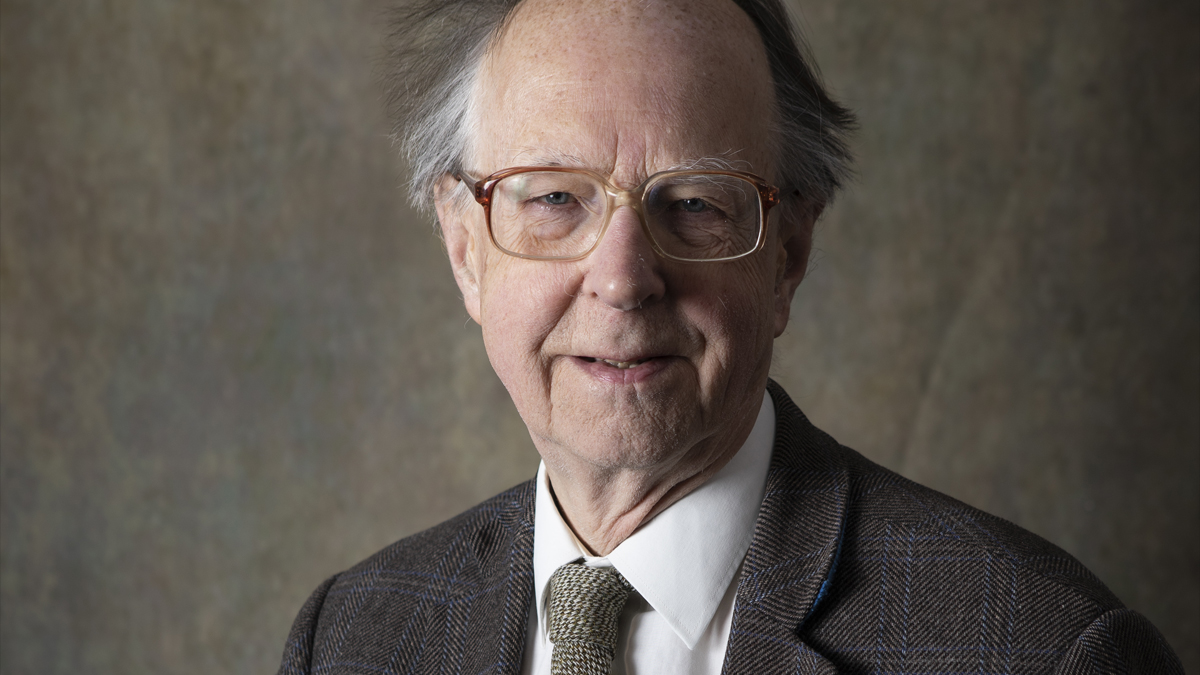
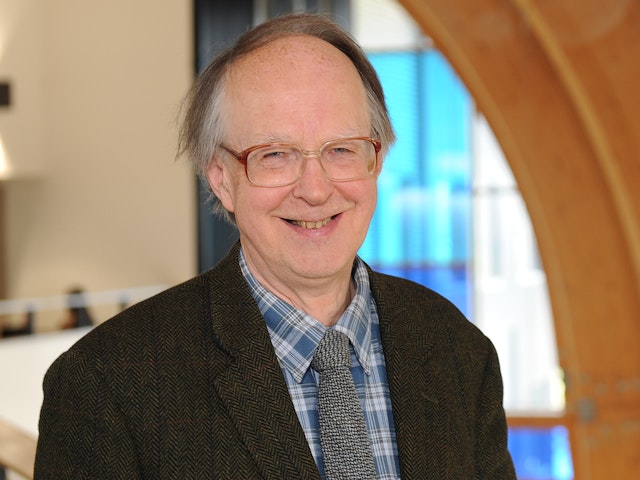
Professor Mark Casson is a distinguished faculty member at the University of Reading's Henley Business School, holding the position of Professor of Economics. His academic career spans several decades with significant contributions to multiple fields at the intersection of economics and business history. He teaches courses on The Economics of International Business and Globalisation and the History of Western Capitalism from his office in Room 313 on the Whiteknights campus.
Professor Casson's research interests bridge theoretical economics with historical analysis, focusing on how formal economic models and econometric techniques can be applied to traditionally qualitative research areas. His work demonstrates remarkable breadth across International Business, Entrepreneurship, Business History, Economic History, and Medieval History. He has developed innovative approaches that combine rigorous quantitative methods with deep historical context to understand entrepreneurial behavior and international business development over time.
His extensive publication record reveals consistent thematic focus on entrepreneurship theory, international business development, and economic history. The articles show an evolving research trajectory that increasingly integrates historical analysis with contemporary economic theory, particularly examining how entrepreneurial behavior has shaped global business systems throughout history. His work demonstrates sophisticated methodology that bridges quantitative and qualitative approaches.
- Fellow of the British Academy
- Fellow of the Academy of International Business
- Fellow of the Royal Society of Arts
- Freeman of the City of London
Professor Casson has served in significant advisory capacities, including as a consultant to the UK Department of Trade and Industry from 1999-2009 and as a World Bank consultant. He currently serves as a consulting editor for the Journal of World Business and as a subject expert on the Scientific Committee of the Chartered Association of Business Schools. He is also a member of the UK rail industry's Passenger Demand Forecasting Council, demonstrating the practical application of his research to contemporary policy issues.