معرفی
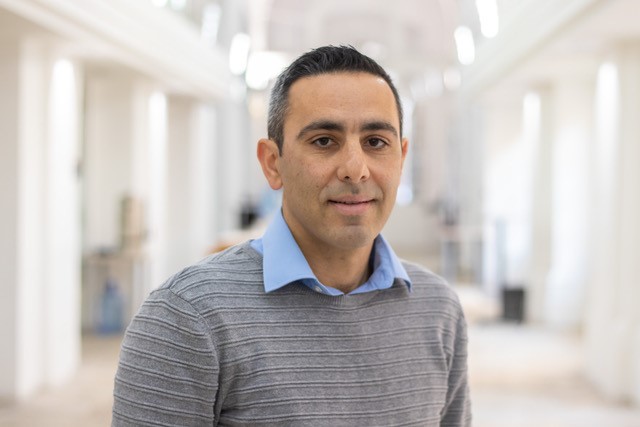
Mario Aquilina is a Senior Lecturer in the Department of English within the Faculty of Arts at the University of Malta. He holds a BA (Hons) and MA in English from the University of Malta and earned his PhD in English Studies from the University of Durham, UK in 2013. His academic work spans literary theory, electronic literature, and style studies, with particular focus on continental philosophy's intersection with literary analysis.
His research interests prominently feature Critical Theory, Literary Theory, Electronic Literature, and Digital Humanities. Aquilina has made significant contributions to understanding style in literature through the lens of thinkers like Blanchot and Gadamer, while also exploring the emerging field of electronic literature and its theoretical implications. His work on the relationship between literature and digital games represents an innovative interdisciplinary approach that bridges traditional literary studies with contemporary digital culture.
Aquilina's publication pattern reveals a strong trajectory in theoretical literary studies, with recent work increasingly engaging with digital humanities methodologies and big data approaches to literary analysis. His scholarship demonstrates consistent engagement with continental philosophy while progressively incorporating computational and digital perspectives on literature.
As an educator at the University of Malta, he teaches within both the Department of English and the Centre for English Language Proficiency. His professional experience includes extensive work as an editor for international publishers, with particular expertise in managing multi-author projects and navigating cross-cultural editorial challenges.
His academic contributions include editing multiple volumes on the history of the essay and serving as co-editor for the CounterText special issue on Electronic Literature. He maintains an active research agenda that bridges traditional literary scholarship with contemporary digital approaches, reflecting the evolving nature of literary studies in the 21st century.