معرفی
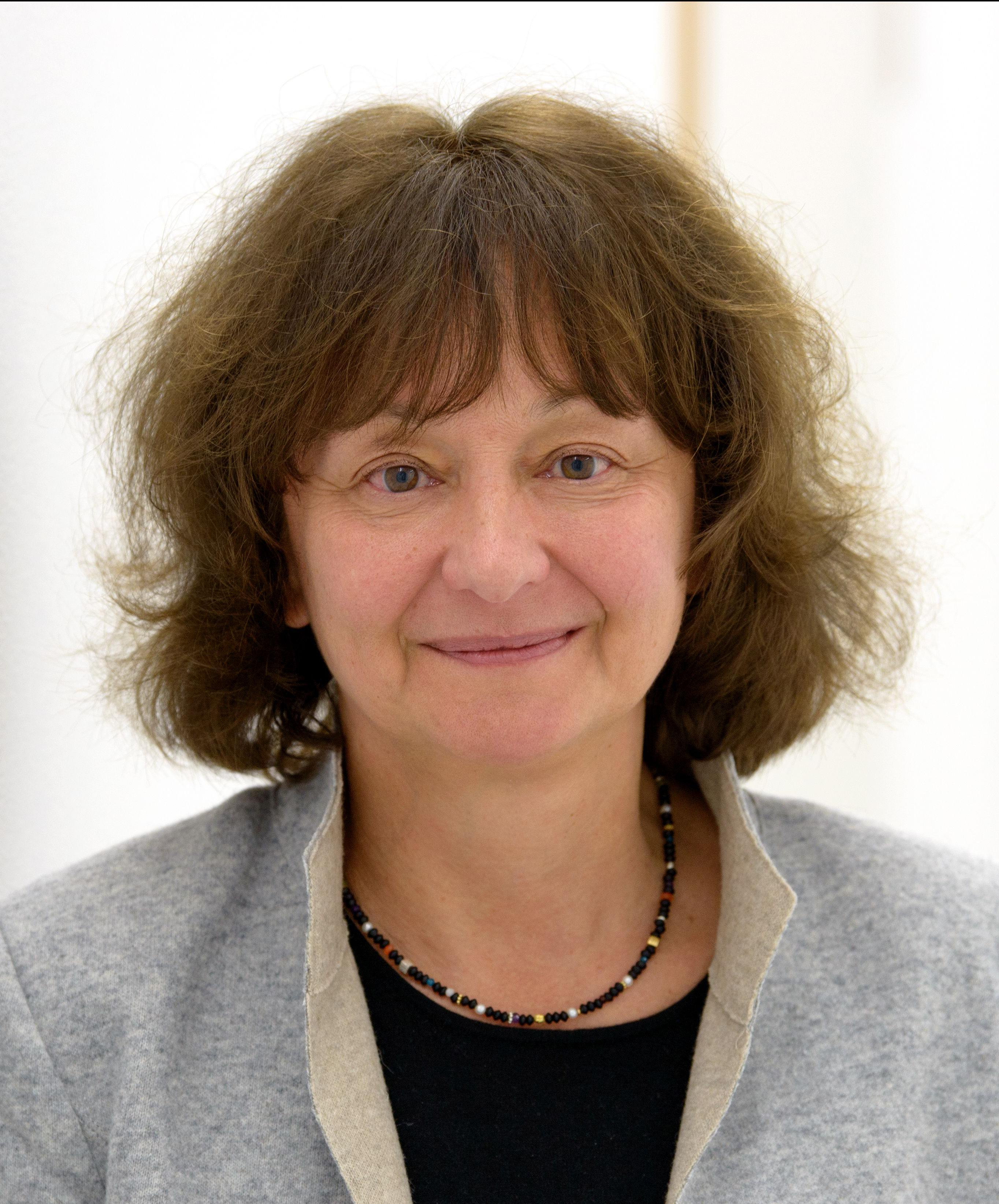
Marina Rodnina is a distinguished biochemist currently serving as Director of the Department of Physical Biochemistry at the Max Planck Institute for Biophysical Chemistry in Göttingen, Germany. She has held this position since 2008 and previously served as Professor and Head of the Institute of Physical Biochemistry at the University of Witten/Herdecke from 2000 to 2008. Dr. Rodnina is a leading expert in ribosome structure and function, protein synthesis, and translation mechanisms.
Dr. Rodnina earned her Diploma in Biology (specialization in Genetics/Molecular Biology) from the University of Kiev, Ukraine in 1982, followed by her PhD in Molecular Biology from the Institute of Molecular Biology and Genetics, Acad. Sci. Ukraine, Kiev in 1989, and her Habilitation in Biochemistry from the University of Witten/Herdecke, Germany in 1998.
Dr. Rodnina's research focuses on the molecular mechanisms of protein synthesis, particularly the function of the ribosome in translation. Her work spans multiple areas including gene expression, molecular machines, and time-resolved fluorescence techniques to study ribosomal dynamics. Her laboratory employs a combination of biochemical, biophysical, and computational approaches to unravel the complex choreography of molecular movements during protein synthesis. This research has significant implications for understanding fundamental biological processes and developing new therapeutic approaches targeting protein synthesis.
Dr. Rodnina's publication record demonstrates a consistent focus on ribosome structure and function, with particular emphasis on the molecular mechanisms of translation. Her recent work has explored co-translational protein folding, frameshifting mechanisms, and the real-time monitoring of ribosomal dynamics. The research shows a progression from foundational studies on tRNA discrimination and GTP hydrolysis to more complex investigations of ribosomal movements and protein folding. Her work consistently bridges biochemistry, molecular biology, and biophysics, contributing significantly to our understanding of one of life's most fundamental processes.
Dr. Rodnina's exceptional contributions to biochemistry and molecular biology have been recognized with numerous prestigious awards:
- 2020 Albrecht Kossel Prize of the Society of German Chemists (GDCh)
- 2019 Otto Warburg Medal of the Society for Biochemistry and Molecular Biology
- 2016 Gottfried Wilhelm Leibniz Prize
- 2015 Hans Neurath Award of the Protein Society
- 2018 ERC Advanced Grant
She is also an elected member of several prestigious academies including the German Academy of Sciences Leopoldina (2008), the Göttingen Academy of Sciences (2017), and the European Molecular Biology Organization (2004).
As Dean of the International Max Planck Graduate School for Molecular Biology since 2013, Dr. Rodnina has played a pivotal role in mentoring the next generation of scientists. She currently serves on 17 Thesis Advisory Committees of the Göttingen Graduate School for Neurosciences, Biophysics, and Molecular Biosciences and mentors through the Dorothea Schlözer Mentoring Programme. Her research has been consistently supported by major funding sources, including multiple grants from the German Research Foundation and the prestigious ERC Advanced Grant in 2018. Dr. Rodnina has also served on numerous review panels for major funding organizations including the German Research Foundation (DFG), the European Research Council (ERC), and the German-Israeli Minerva Program.
Dr. Rodnina leads the Department of Physical Biochemistry at the Max Planck Institute for Biophysical Chemistry, which comprises multiple research groups focused on different aspects of ribosome structure and function. Her department collaborates extensively with other research groups within the institute and maintains strong international partnerships. She has organized major scientific conferences including the Cold Spring Harbor Meeting on Translational Control (2016) and the Ribosome: Structure, Function and Dynamics meeting (2010), fostering global collaboration in her field.