معرفی
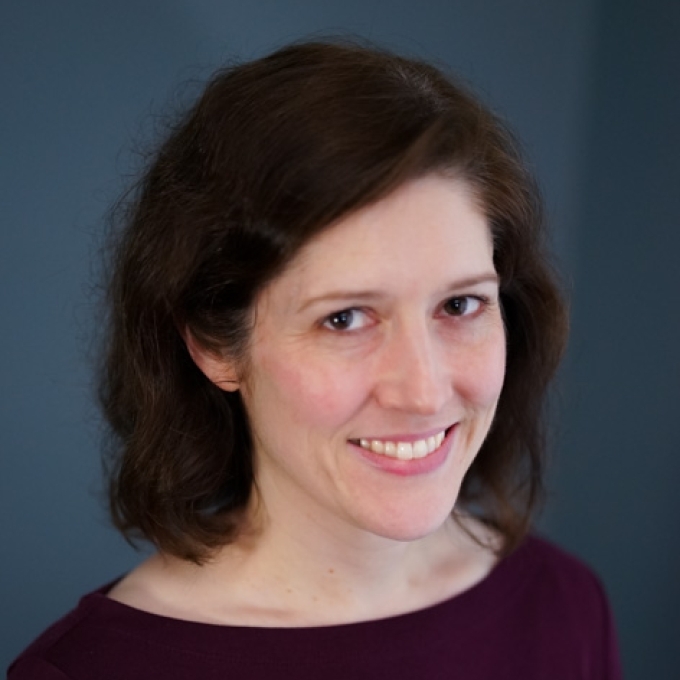
Marie Jayasekera is an Assistant Professor of Philosophy at California State University, Long Beach, specializing in early modern philosophy with a particular focus on free will and human agency. Her work examines how philosophers from the 17th-19th centuries conceptualized freedom, will, and human action within their intellectual contexts.
- BS in Biology from Yale University
- MA in Philosophy from Tufts University
- PhD from the University of Michigan
Dr. Jayasekera's research centers on how early modern philosophers understand free will and human agency, investigating how thinkers conceive of the will, activity, and freedom. She explores the general move in the period away from traditional conceptions of the will as the locus of freedom and agency, examining how God, the natural order, emotional processes, and sociocultural factors are understood as threats to human freedom. Her work connects historical debates to contemporary discussions in philosophy.
Her publication record demonstrates a strong focus on Descartes' philosophy, with significant contributions to understanding his theories of will, judgment, and freedom. She has also expanded her research to include other early modern thinkers like Hobbes, Bramhall, and Mary Astell, particularly examining how 'custom' functions as a constraint on agency. Her recent work investigates the role of experience in arguments about free will and the philosophical significance of 'custom' as a threat to human agency.
While no specific awards are listed in the available materials, her publications in prestigious journals like Ergo, British Journal for the History of Philosophy, and Journal of the History of Philosophy indicate scholarly recognition.
Dr. Jayasekera has supervised student projects on topics in early modern philosophy, ethics, moral psychology, philosophical method, and free will. She teaches across the philosophy curriculum, from introductory courses like 'The Meaning of Life' to advanced seminars on 'Moral Responsibility' and 'Hume's Treatise.' Her teaching spans epistemology, metaphysics, philosophy of mind, moral philosophy, and political philosophy in the early modern period.