معرفی
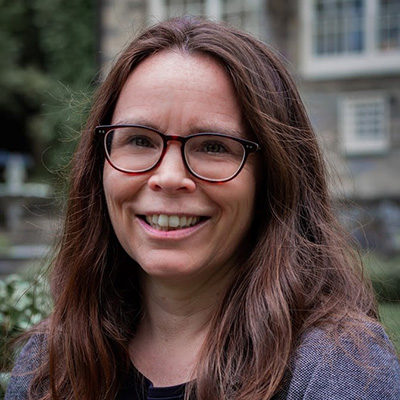
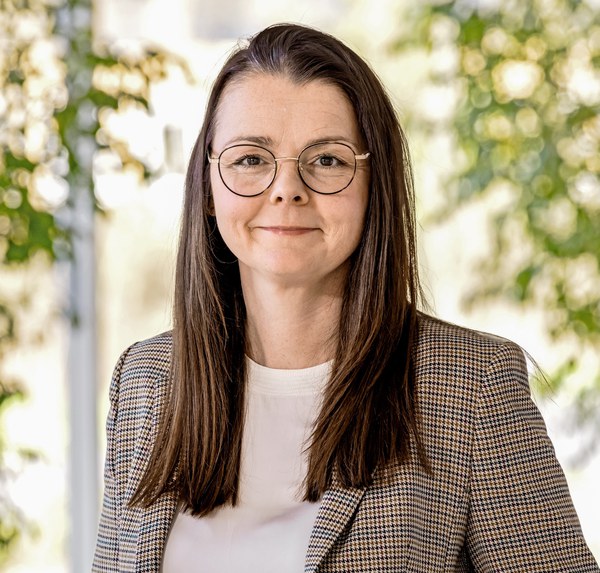
Maria M. Paulsen is a Researcher at Aalborg University's Faculty of Engineering and Science, Department of Thermal Engineering, specializing in carbon capture utilization and storage (CCUS) technologies. Her work bridges experimental and theoretical approaches to develop economically viable climate solutions with a focus on direct air capture (DAC), power-to-X technologies, and process integration for negative emissions.
Dr. Paulsen's research interests center on carbon capture utilization and storage systems, with particular expertise in direct air capture, techno-economic optimization, and process integration for sustainable energy systems. Her work addresses critical challenges in achieving negative CO2 emissions through innovative engineering solutions that combine carbon capture with renewable energy integration.
Her publication portfolio demonstrates significant impact in the field, with recent articles focusing on integrated high-temperature direct air capture systems, carbon dioxide utilization pathways, and techno-economic assessments of biomass-based carbon capture. The 2024 publications show strong citation metrics, with several papers already accumulating double-digit citations within months of publication, indicating high relevance in the rapidly evolving CCUS research landscape.
Dr. Paulsen actively engages with public discourse on climate solutions through Danish media outlets, having contributed to multiple press articles and debates about the role of direct air capture in Denmark's climate strategy. Her media presence includes discussions about making aviation CO2-neutral through carbon capture and conversion to jet fuel, reflecting her commitment to translating research into practical climate solutions.
As Principal Investigator on the PhD project 'Experimental Carbon Capture and Utilization and Energy System Integration' (2022-2025), she leads research efforts in carbon utilization, energy system integration, and fuel synthesis technologies. Her collaborative network spans multiple institutions and research groups, with recent work involving international co-authors on comprehensive reviews of carbon dioxide utilization pathways.