معرفی
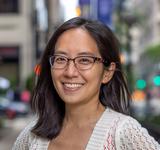
Maria Andersson is an Associate Professor and Docent in Biomedical Analysis at Lund University's Faculty of Medicine, Department of Rheumatology. She serves as a Supervisor for doctoral research and is an active participant in the Rheumatology Research project and Spenshults arthritis group. Her work significantly contributes to UN Sustainable Development Goals related to health and well-being.
Her research focuses primarily on rheumatoid arthritis, pain management, and disease activity assessment. With a strong emphasis on patient-centered outcomes, her work explores the connections between lifestyle factors, physical activity, and chronic pain conditions. Her research fingerprint shows dominant expertise in Rheumatoid Arthritis (100%), Patient Care (77%), Follow-up Studies (52%), Pain Research (40%), and Disease Activity Assessment (27%).
Analysis of her recent publications reveals a consistent focus on longitudinal studies examining the relationship between physical activity, pain mechanisms, and disease progression in rheumatoid arthritis and osteoarthritis. Her work increasingly incorporates advanced measurement techniques like accelerometry and biomarker analysis to objectively assess disease activity and treatment outcomes. Recent publications show growing interest in metabolic factors like leptin and lipid metabolism in relation to pain perception and disease severity.
Maria Andersson actively supervises doctoral research, currently guiding Maria Aronsson's dissertation project on 'Early Rheumatoid Arthritis- diagnosis and treatment' (2019-2027). Her research has attracted significant attention, with multiple publications picked up by news outlets and shared across social media platforms. She has secured research funding for longitudinal studies examining early intervention strategies in rheumatoid arthritis.
She is an integral member of the Spenshults arthritis group, a specialized research team focused on rheumatic diseases. Her work involves close collaboration with clinicians, biomedical analysts, and patient groups to translate research findings into improved clinical practice. Her laboratory work emphasizes biomarker discovery and objective measurement techniques to complement traditional clinical assessments of disease activity.