معرفی
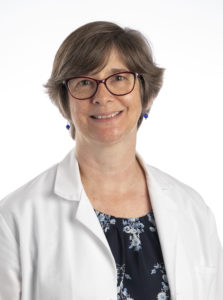
Mari K. Davidson is a Professor in the Department of Biochemistry and Molecular Biology at the University of Arkansas for Medical Sciences College of Medicine, where she leads research on meiotic chromosome segregation and environmental impacts on genetic stability. Her work addresses the critical public health issue of aneuploidy—the leading cause of pregnancy loss and congenital disabilities in humans—using fission yeast as a model system.
She earned her Ph.D. from the
- University of Illinois at Chicago
Dr. Davidson's research program focuses on developing high-throughput screening platforms to identify environmental chemicals ("meiotic aneugens") that disrupt meiosis. Her laboratory exploits the synchronous meiosis of Schizosaccharomyces pombe to create quantitative genetic systems monitoring chromosome mis-segregation. Key innovations include selectable markers for aneuploidy detection and secondary screening modules for mechanistic studies of chemical interference with cohesion, recombination, and stress-response pathways. This work bridges molecular genetics, toxicology, and reproductive health, with direct implications for understanding pollutant impacts on human fertility.
Analysis of her 15 publications reveals consistent expertise in meiotic recombination mechanisms, particularly the roles of Rec12 (Spo11) recombinase, Atf1/Pcr1 transcription factors, and chromatin remodeling. Her work spans molecular techniques from protein characterization to genome-wide analysis, with recent emphasis on stress-activated kinase pathways and non-coding RNA regulation. Early career publications examined cadherin-based cell adhesion in diabetic retinopathy and bone biology, demonstrating interdisciplinary range before her current focus on meiotic systems.
No scientific awards are documented in the provided materials. While formal advisees are not listed, her research program implies grant-funded team science involving genetic screening and molecular validation of environmental toxins. Her laboratory likely maintains yeast strain collections, high-throughput screening infrastructure, and collaborations with toxicology networks for chemical library testing.
The Davidson lab operates at the intersection of basic meiotic mechanisms and applied toxicology, with ongoing work focused on validating screening systems for national molecular libraries networks. Current efforts likely address chemical mechanism-of-action studies and expanding the platform to detect diverse aneugenic pathways relevant to human reproductive health.