معرفی
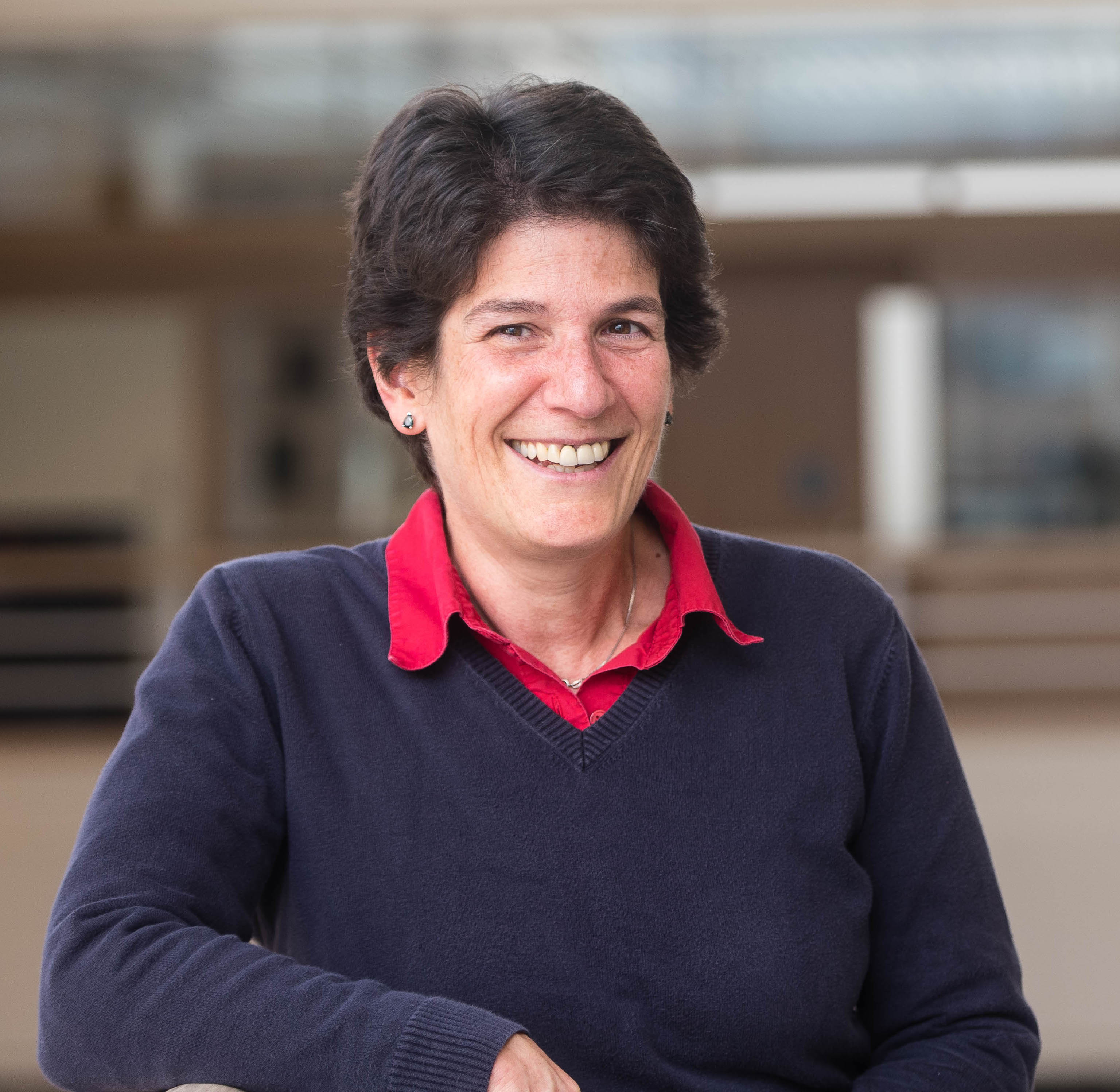
Margo I. Seltzer is a distinguished academic and researcher in computer science, serving as Co-Head of the Department of Computer Science at the University of British Columbia and Director of the Berkman Klein Center for Internet & Society at Harvard University. She holds prestigious positions such as Canada 150 Research Chair in Computer Systems and Cheriton Family Chair in Computer Science. Her work spans systems research, data provenance, file systems, databases, and healthcare technology. Seltzer has made significant contributions to the field through her research, including co-founding Sleepycat Software (developers of Berkeley DB), which earned the ACM SIGMOD Systems Award in 2020. She is an ACM Fellow and Sloan Foundation Fellow, among other accolades. Her research interests emphasize interpretable machine learning, graph analytics, and reproducibility in computational experiments.
Education: A.B. in Applied Mathematics from Harvard/Radcliffe College; Ph.D. in Computer Science from UC Berkeley.
Research Interests: Her work focuses on systems, provenance, and healthcare applications. Key areas include program synthesis, graph partitioning, differential privacy, and anomaly detection in healthcare. She has pioneered projects like CamFlow for provenance-aware security and contributed to frameworks like Tribuo for interpretable machine learning.
Publications: Her recent work includes advancements in graph partitioning (CUTTANA), memory translation (Velosiraptor), and interpretable models for medical data (HyperBrain). These reflect her interdisciplinary approach, blending systems research with healthcare and AI.
Awards: Beyond the ACM and Sloan honors, she has been recognized for teaching excellence, mentoring, and contributions to open-source software. She serves on advisory boards for the Canadian COVID Alert App and the US National Academies' CSTB.
Advising & Grants: While currently focused on postdoctoral researchers, Seltzer has mentored numerous students, earning awards for her mentorship. Her grants include funding from the Swedish Research Council and collaborations with industry partners like Intel.
Labs/Teams: Active in the Systopia lab at UBC, focusing on systems research, and involved in interdisciplinary initiatives like the Self-Driving Labs project for automated experimentation.