معرفی
Margareta Wilhelm is a Principal Researcher leading the Wilhelm lab at Karolinska Institutet's Department of Microbiology, Tumor and Cell Biology (MTC). In 2018, she received a highly competitive Senior Research position from the KI Board of Research, providing 1.2 million SEK annually for five years.
Her research focuses on understanding mechanisms regulating cancer development and the cross-talk between tumor cells, stroma, and immune cells. The Wilhelm lab develops innovative disease-relevant stem cell models using reprogramming techniques to uncover how healthy cells transform into cancer cells and identify novel therapeutic targets. They specialize in childhood neural tumors including medulloblastoma and neuroblastoma, which constitute one-third of childhood cancers but nearly half of cancer-related mortalities in children.
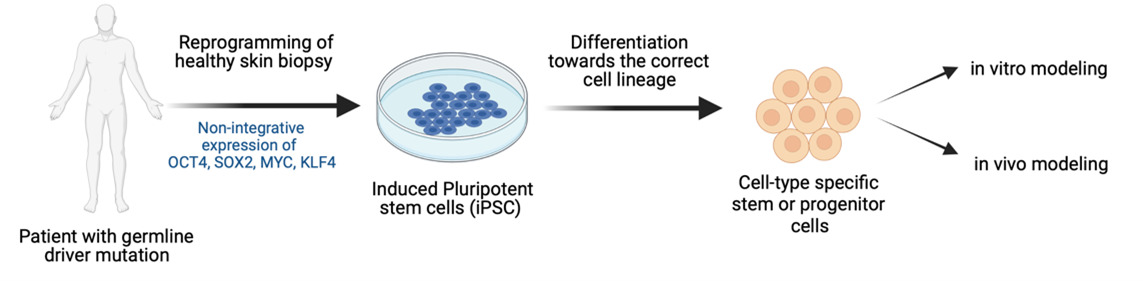
The lab creates sophisticated cancer models through somatic cell reprogramming to induced pluripotent stem (iPS) cells and differentiation to neural stem cells, enabling both hypothesis-driven approaches and compound library screens to identify targets. They also develop ex-vivo neural organoid models that allow 3D self-organization into brain-like structures for studying tumor initiation and drug responses.
Scientific Awards:
- Senior Research position from the KI Board of Research (2018)
Advising: Dr. Wilhelm has mentored numerous PhD students including Johanna Wolfsberger (2020), Ana Marin Navarro (2019), and Habib Sakil (2017), along with postdocs such as Veronica Zubillaga, Marina Stantic, and Evelyn Susanto, plus dozens of master's students from international institutions.
Laboratory: The Wilhelm lab investigates how the age of the surrounding environment affects tumor development and explores using non-HLA restricted T cells for adoptive cell therapy to eliminate tumors while preserving healthy tissue. They actively recruit postdocs and occasionally have openings for doctoral students, with research aimed at developing more targeted cancer therapies that specifically eliminate tumor cells while sparing developing tissues.