معرفی
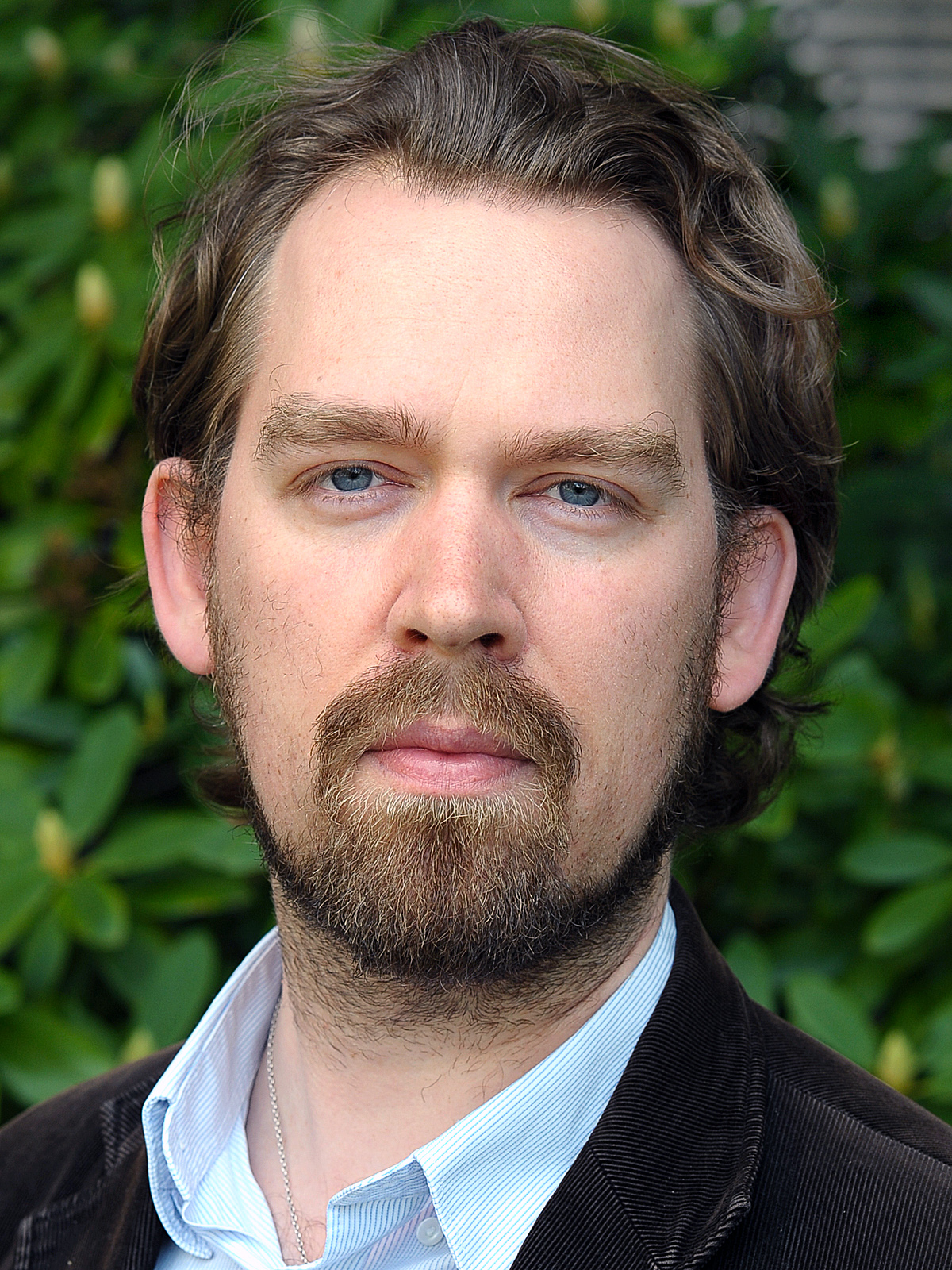
Marcus Jacobus Teeuwen is a Professor of Japanese Studies at the University of Oslo's Faculty of Humanities, specializing in the historical and social dimensions of Japanese religion. His academic work demonstrates deep engagement with the complex interplay between Shinto, Buddhism, and Japanese cultural practices across different historical periods.
Professor Teeuwen's research primarily focuses on the history of religion in Japan with particular emphasis on Shinto traditions, social history, and matsuri (festivals). His work explores how religious practices have evolved within Japanese society, examining both medieval and contemporary contexts. He investigates how religious meaning is constructed and maintained through ritual practices, particularly in festival traditions across different regions of Japan.
Analysis of Teeuwen's recent publications reveals a consistent scholarly trajectory examining Japanese religious institutions and practices from historical and anthropological perspectives. His work spans from medieval religious worldviews to contemporary festival traditions, with particular attention to how religious practices adapt to social and political changes. The research demonstrates a methodological approach that combines historical analysis with anthropological observation, particularly evident in his studies of Kyoto's Gion festival across different time periods including during the 2020 pandemic.
Professor Teeuwen has established significant collaborative research networks, editing multiple volumes with scholars such as John Breen, Aike P. Rots, and Fabio Rambelli. His work appears in leading journals including Japanese Journal of Religious Studies and Religion, and he has published monographs with prestigious academic presses including Bloomsbury, Routledge, and Columbia University Press.
He is actively involved with the research group 'Religious festivals in Asia: Power, aspirations and play,' reflecting his commitment to comparative religious studies. His forthcoming 2025 publications indicate continued scholarly productivity and engagement with medieval Japanese religious practices and contemporary festival traditions.