معرفی
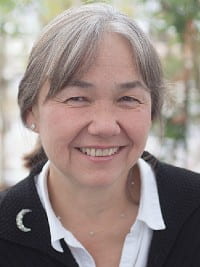
Professor Marco Thines is a distinguished researcher at the Senckenberg Biodiversity and Climate Research Center and Goethe University Frankfurt, where he leads the Evolutionary Analysis and Biological Archives research group. His work focuses on the evolutionary biology and diversity of oomycetes (plant parasites), particularly their interactions with host plants and environmental factors, with significant contributions to discovering new species, genera, and families within this lineage.
Dr. Thines' research spans multiple disciplines including cell biology, ecology, evolutionary biology, taxonomy, genomics, and molecular phytopathology. His group investigates how evolutionary processes have contributed to oomycete diversity and biotic interactions, and how these have been influenced by climate. He has developed innovative methods like the 'AgriFuture' web application for real-time pathogen detection in agriculture, addressing previous limitations where separate tests were required for each pathogen.
Recent research trends show Dr. Thines has been actively publishing on oomycete systematics, genomics, and the impact of climate change on plant-pathogen interactions. His work increasingly integrates genomic approaches with ecological and evolutionary perspectives, particularly in studying how vegetation changes affect genetic diversity in plants and their pathogens, as demonstrated in his satellite-observed mountain greening studies that correlate with genomic erosion in medicinal plants.
- Rudolf-Heitefuß Award for scientific achievements from the German Phytomedicinal Society
- Wissenschaftspreis from Deutsche Phytomedizinische Gesellschaft e.V. for outstanding scientific contributions to filamentous pest research
Dr. Thines has secured significant research funding for projects related to biodiversity genomics and climate change impacts on plant-pathogen systems. His work with the LOEWE Center for Translational Biodiversity Genomics demonstrates his commitment to applying fundamental research to practical agricultural challenges, particularly in addressing how oomycetes and smut fungi cause billions of dollars in annual crop losses worldwide.
The Evolutionary Analysis and Biological Archives group under Dr. Thines' leadership utilizes historical biological collections, particularly herbarium specimens, to understand long-term changes in plant-pathogen interactions. His team has made groundbreaking discoveries about how increasing vegetation density in mountain regions correlates with genetic erosion in medicinal plants over decades, emphasizing that 'without historical plant specimens in herbaria, a direct comparison over a period of 50 years would not have been possible. For biodiversity research, these natural archives are of inestimable value.'