معرفی
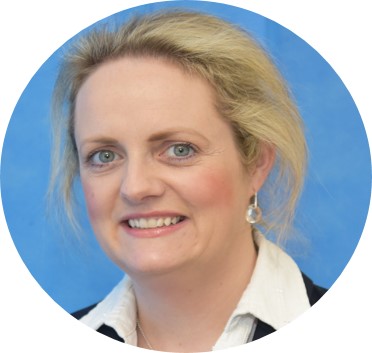
Maggie Bennett serves as a Senior Lecturer (Education) within the School of Nursing and Midwifery at Queen's University Belfast. Her academic role encompasses module coordination and teaching across diverse nursing programs, including pre- and post-registration courses in pharmacology, adult nursing, and tissue viability. With extensive scholarly activity since 2011, she has significantly contributed to nursing education through innovative pedagogical approaches and curriculum development.
Her research focuses on enhancing healthcare education through creative methodologies and interprofessional collaboration. Key interests include pharmacology education, physiology teaching, tissue repair and regeneration, and integrating equality, diversity and inclusion into curricula. She pioneers active learning strategies like student-led health checks to improve clinical practice and student engagement in nursing programs.
Analysis of her 2021-2024 publications reveals a strong emphasis on practical educational innovations addressing pharmacological management of clinical conditions, diversity in case studies, and community health initiatives. This work demonstrates her commitment to evidence-based, student-centered approaches that bridge academic theory with real-world healthcare challenges.
Her teaching excellence has been recognized with multiple awards:
- Excellence in Teaching by a Team Award (2017)
- Most Innovative Learning Experience (2018)
- Nominated for Most Innovative Learning Experience (2015)
- Nominated for most inspirational teaching award (2015)
- School of Nursing and Midwifery Scholarly Activity Award (2016)
Through extensive public engagement—including health screening events, family fun days, and heart restart initiatives—she actively connects academic work with community health services. Her media contributions, such as the Nursing Standard interview, further demonstrate her dedication to public discourse on nursing education.
Though no dedicated laboratory is documented, her collaborative projects like the Physiology Health Check event exemplify her interprofessional team-based approach to translating educational theory into community health impact.