معرفی
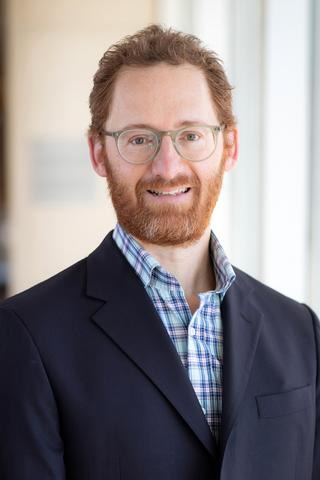
Luke J. Chang serves as Associate Professor in the Department of Psychological and Brain Sciences at Dartmouth College, where his research centers on the neurobiological and psychological mechanisms of social interactions, particularly how emotions and expectations shape decision-making and learning in social contexts.
His academic foundation includes a B.A. from Reed College, an M.A. from The New School for Social Research, a Ph.D. from the University of Arizona, and postdoctoral training at the University of Colorado Boulder.
Chang integrates computational approaches—utility theory, reinforcement learning, and machine learning—to model complex social processes, validated through behavioral, psychophysiological, and neuroimaging methodologies. His work examines key brain regions including the insula, anterior cingulate cortex, ventral striatum, and orbitofrontal cortex, with applications for understanding psychosocial treatments in mental and physical health.
Analysis of his 2010-2015 publications reveals consistent focus on social decision-making mechanisms, emotion representation, and computational modeling across neuroscience, psychology, and economics, with recurring themes in trust, social norms, guilt aversion, and mood-driven biases.
He directs the Computational Social Affective Neuroscience Laboratory, which combines interdisciplinary approaches from psychology, cognitive neuroscience, economics, and computer science to investigate social interaction mechanisms and their implications for depression, anxiety, and pain management.