معرفی
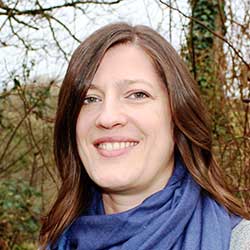
Dr. Louise Creechan serves as a Lecturer in the Institute for Medical Humanities and a Wellcome Trust Early Career Fellow in the Department of English Studies at Durham University, where she joined in September 2021 after completing an ECR Fellowship at the University of Strathclyde. Her work bridges Victorian literary studies with contemporary disability and neurodiversity scholarship.
She earned all academic degrees from the University of Glasgow, culminating in an AHRC-funded PhD completed in June 2020 through the Scottish Graduate School for Arts and Humanities. Her doctoral research evolved into the forthcoming monograph Unwriting Victorian Illiteracy: Questioning the Primacy of Literacy in Nineteenth-Century Literature and Culture.
Dr. Creechan's research interrogates neurotypical biases in literary scholarship, Victorian constructions of intelligence, and resistance through alternative literacies. She challenges traditional academic dissemination through public engagement projects like 'Broadway Reads the Victorians' and 'The Mystery of Edwin Drood: Settling Up the Score', while exploring neurodivergent frameworks for literary analysis in her current project 'The Dunce's Hat'.
Her publication portfolio reveals strong interdisciplinary trends connecting cognitive science, disability studies, and Victorian literature, with recent work examining neurodiversity's impact on research methodologies and pandemic-era neurodivergent experiences of intimacy and communication.
Key recognitions include:
- Wellcome Trust Early Career Fellowship
- AHRC/BBC New Generation Thinker (2022)
- ECR Fellowship at University of Strathclyde
Dr. Creechan has secured significant research funding including AHRC doctoral support and Wellcome Trust funding for her current project. Her collaborative approach is evident in multi-institutional publications like the 2023 Cognitive Science article co-authored with 15 researchers and the Social Inclusion paper exploring neurodivergent pandemic experiences.
Her work operates through dynamic research networks rather than fixed laboratories, particularly evident in the 'Critical Neurodiversity Studies' edited volume and pandemic-era collaborations examining neurodivergent communities' expressive freedom and intimacy during lockdowns.