معرفی
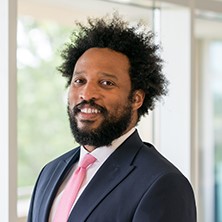
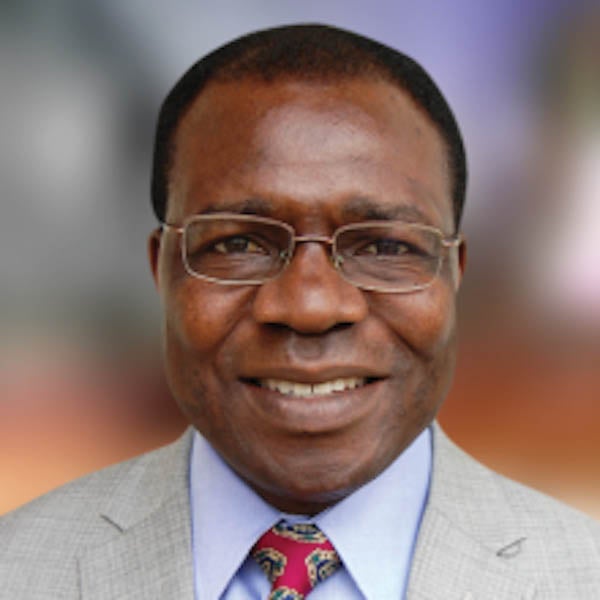
Liz Sheridan Sperber is an Associate Professor of Political Science at the University of Denver, affiliated with the College of Arts, Humanities and Social Sciences and the Gender and Women's Studies program. She holds a PhD from Columbia University and BAs in History, Africana Studies, and English from Brown University. Her research focuses on religion and politics, democratization, and political behavior in sub-Saharan Africa, with notable regional expertise in Zambia and Uganda. Dr. Sperber has been recognized with awards such as the Ted Jelen Award (2018) and the APSA Best Paper on Women, Gender and Politics (2024). She actively mentors undergraduate researchers, many of whom have won prestigious awards and published their work. Her scholarship has been supported by grants including the Kellogg Institute Fellowship and the Freedom of Expression Grant from the University of Denver.
Education:
- PhD in Political Science, Columbia University (2016)
- M.Phil. in Political Science, Columbia University (2011)
- BAs in History, Africana Studies, and Literatures & Cultures in English, Brown University (2006)
Research Highlights: Dr. Sperber's work explores the intersection of Christianity and politics in Africa, particularly born-again Christian movements and their impact on electoral dynamics. Recent projects include experimental studies on gender gaps in youth political participation (Zambia) and comparative analyses of religious mobilization in Africa and Latin America. Her findings have been published in leading journals such as American Journal of Political Science, Politics and Religion, and Political Behavior.
Grants & Awards:
- Freedom of Expression and Pluralism Grant ($15,000), University of Denver (2025-26)
- Kellogg Institute Research Fellowship (2019-20)
- PROF Grant ($20,000), University of Denver (2021)
Teaching & Mentoring: Sperber emphasizes undergraduate research, including summer programs and conference participation. Her students have secured fellowships, conference presentations, and publications, with many being first-generation scholars. She leads the Democratic Erosion Consortium, fostering interdisciplinary dialogue on global political trends.