معرفی
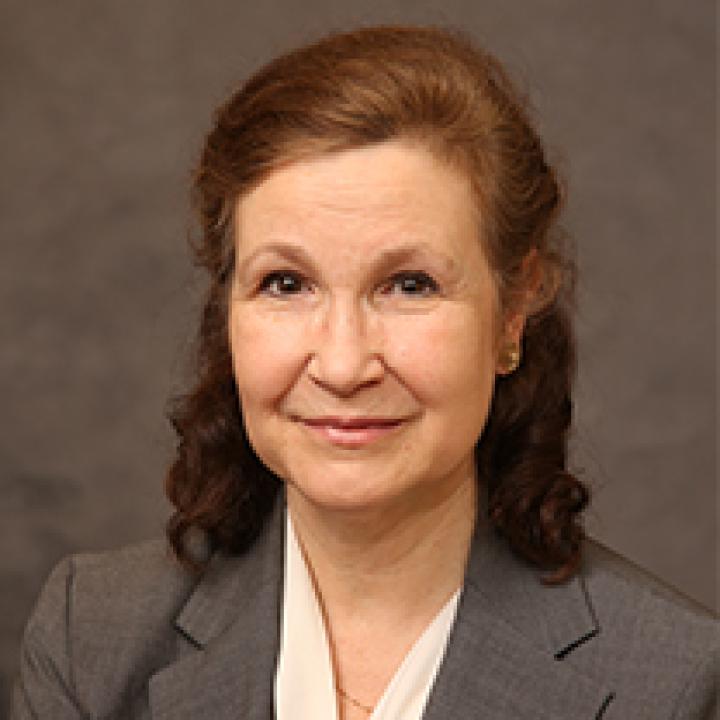
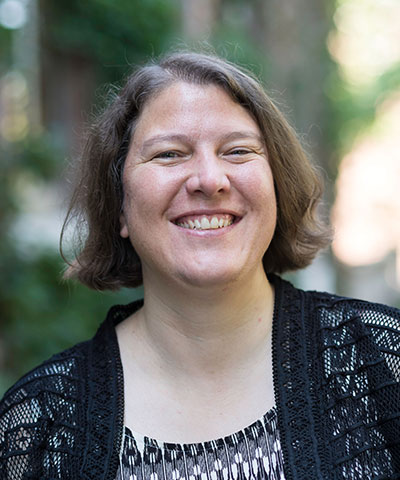
Lisa Reilly is the Commonwealth Professor of Architectural History at the University of Virginia's School of Architecture, specializing in medieval architecture and visual culture with emphasis on the Norman world across England, France, and Sicily.
Education:
- PhD in Art History, Institute of Fine Arts, New York University
- MA in Medieval Studies, Centre for Medieval Studies, York University
- BA in Economics, Vassar College
Research Interests: Professor Reilly's work establishes new paradigms for Norman art and architecture through publications like The Invention of Norman Visual Culture (Cambridge University Press). She pioneers digital humanities in architectural history, leading projects such as digital analysis of medieval design processes and virtual reconstructions of 12th-century Mediterranean pilgrimage routes. Her research extends to stained glass studies, lay piety in medieval architecture, and digital documentation of Black intellectual history through the Anne Spencer House letters project.
Scientific Awards:
- NEH/Horace Goldsmith Distinguished Teaching Chair of Art and Architectural History (1999-2002)
- Fulbright Fellow in the History of Art at the University of York (Spring 2015)
- Bonnie Wheeler Fellow (2014)
- Jefferson Scholars Foundation Award for Excellence in Teaching (2018)
Advising and Grants: She mentors graduate students including Chronicle of Higher Education-featured Ed Triplett, and leads digital humanities initiatives through grants from the Academy of Teaching (2012-13) and University President's hybrid challenge grant for survey course redesign. Collaborative projects include museum collecting courses with the Fralin Museum and interpretation proposals for James Monroe's Highland estate.
Labs and Teams: As Institute for Advanced Technology in the Humanities fellow (2006-08), she developed foundational digital analysis tools. Currently, she oversees the Anne Spencer House letters project, creating databases and digital exhibitions that illuminate Black intellectual communities through unedited historical correspondence.