معرفی
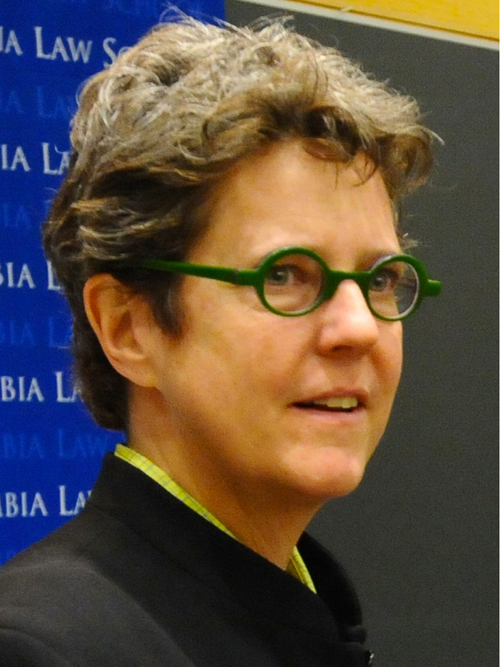
Lisa Ikemoto is the Martin Luther King Jr. Professor of Law at the University of California, Davis School of Law. She is a leading scholar in bioethics, reproductive rights, and health law, with a strong focus on how race and gender shape access to biomedical technologies and health care. Her affiliations include the U.C. Davis Health System Bioethics Program, the Center for Science and Innovation Studies, the Aoki Center for Critical Race & Nation Studies, and the Mellon Research Social Justice Initiative.
Her research interests lie at the intersection of law, medicine, and social justice. She examines reproductive technologies, informed consent, health disparities, and the racialization of genomic knowledge. Her work critically analyzes the fertility industry, reproductive tourism, and religious influences on health care. She emphasizes structural inequities and advocates for reproductive justice frameworks that center marginalized communities.
The 15 most recent publications reflect a consistent focus on reproductive ethics, racial justice, and legal theory. They span topics such as egg commodification, surrogacy, forced sterilization, and the commercialization of reproduction. Keywords across these works include Bioethics, Reproductive Rights, Critical Race Theory, and Health Law, with subfields like commodification of human tissue, intersectionality, and legal personhood recurring throughout.
Her scientific awards include the Distinguished Alumni Award from UC Davis School of Law (2002), the Vital Bridges Award from Asian Communities for Reproductive Justice (2006), and the Community Redress Award from the National Coalition for Redress and Reparations (2001). She was also named one of California’s 20 Up-and-Coming Attorneys Under 40 by California Law Business in 1998.
Professor Ikemoto has played significant advisory and leadership roles in reproductive justice and civil rights. She has served on the Board of Directors of the Guttmacher Institute and the Reproductive Health Technologies Project, and advised National Law Students for Reproductive Justice. She was involved in reparations litigation for Japanese Americans interned during WWII and contributed to policy development through multicampus research programs. While no formal students are listed, her mentorship is evident through her advisory roles and academic leadership.
She is affiliated with multiple interdisciplinary research centers, including the Health System Bioethics Program, the Center for Science & Innovation Studies, and the R.I.S.E.: Protecting the Fragile Intestine initiative. Her work bridges law, medicine, and social justice, positioning her at the forefront of critical bioethics and reproductive justice scholarship.