معرفی
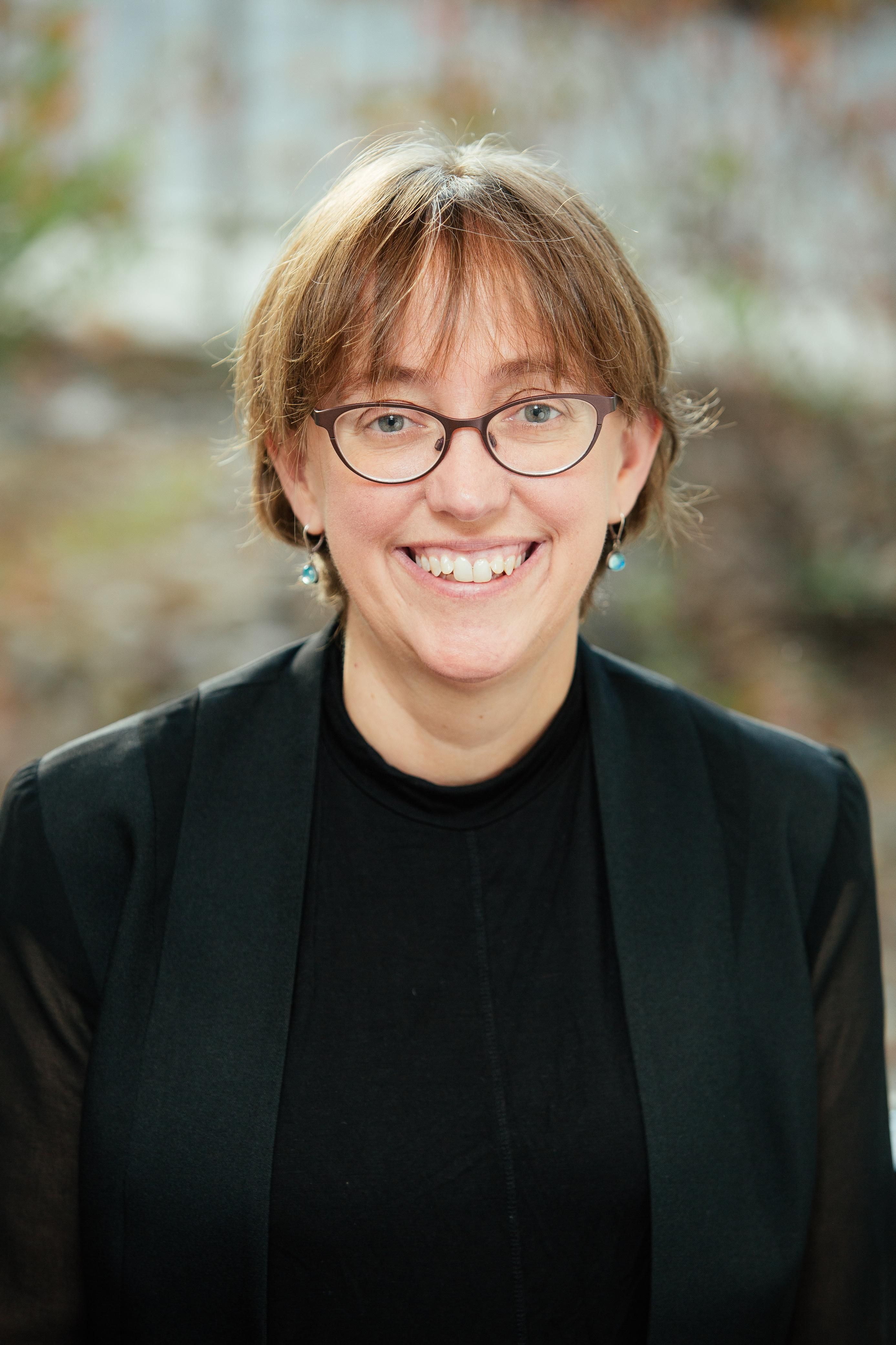
Leslie M Collins is a Professor of Electrical and Computer Engineering at Duke University with secondary appointments as Professor of Biomedical Engineering and Professor in the Department of Head and Neck Surgery & Communication Sciences. She is also a Faculty Network Member of the Duke Institute for Brain Sciences, reflecting the interdisciplinary nature of her research.
Her educational background includes:
- B.S.E. from University of Kentucky (1985)
- M.Sc.Eng. from University of Michigan, Ann Arbor (1986)
- Ph.D. from University of Michigan, Ann Arbor (1995)
Dr. Collins' research focuses on physics-based machine learning algorithms for big data, with particular emphasis on developing remediation strategies for the hearing impaired and sensor-based algorithms for detecting hazardous buried objects. Her work bridges physics-based statistical signal processing, subsurface sensing, auditory prostheses, and pattern recognition. She leads the Duke Applied Machine Learning Lab, where her team develops innovative approaches to address complex challenges in medical devices and defense applications, including cochlear implants and landmine detection systems.
Her recent publication record reveals a strong trajectory in applying advanced machine learning techniques across multiple domains. The research demonstrates consistent innovation in brain-computer interfaces, auditory prosthetics, remote sensing, and infrastructure monitoring. Her work shows particular strength in developing physics-informed machine learning models that incorporate domain knowledge to solve practical engineering problems.
Dr. Collins has received significant recognition for her contributions:
- Principal Investigator on the DoD UXO Cleanup Project of the Year (2000)
- Member of Tau Beta Pi Engineering Honor Society
- Member of Sigma Xi Scientific Research Honor Society
- Member of Eta Kappa Nu Electrical Engineering Honor Society
As an educator and mentor, Dr. Collins has graduated 15 PhD students as of 2015. Her research program has been supported by substantial funding from major agencies including ARO, NVESD, SERDP, ESTCP, NSF, and NIH. She has played a key role in transitioning MURI-developed algorithms and hardware to the Army HSTAMIDS and GSTAMIDS landmine detection systems. Her work exemplifies the translation of theoretical advances in signal processing to practical applications with significant societal impact.
Dr. Collins leads the Duke Applied Machine Learning Lab, which brings together researchers from electrical engineering, biomedical engineering, and computer science to tackle complex problems in signal processing, pattern recognition, and sensor development. The lab's work spans medical applications for hearing rehabilitation and cardiac monitoring to defense applications for landmine detection and infrastructure mapping, demonstrating the versatility and real-world relevance of her research program.