معرفی
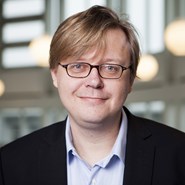
Lars-Åke Mikaelsson serves as a Senior Lecturer at Mid Sweden University, based in Östersund within the Department of Natural Sciences, Design and Sustainable Development (NDH). His academic work centers on sustainable development with a specialized focus on the built environment, construction processes, and community-oriented sustainability initiatives in sparsely populated regions.
His research interests emphasize practical applications of sustainable building practices, including green housing development, indoor environmental quality through biophilic design, and integrated planning methodologies. He investigates how triple helix cooperation (university-industry-government partnerships) can drive sustainable community building, particularly in Central Norrland and Östersund. His work bridges theoretical frameworks with real-world case studies to address regional sustainability challenges.
Analysis of his publication trends reveals consistent focus on empirical case studies (particularly Storsjö Strand in Östersund), longitudinal examination of sustainable building evolution, and interdisciplinary approaches combining engineering, environmental science, and social dimensions. His research consistently targets practical implementation in Nordic contexts while contributing to broader European sustainability discourse.
Scientific awards: No awards documented in available sources.
Mikaelsson actively participates in research funding initiatives including the 'Sustainable Community Building' (HåSa) project and 'Green Housing' development program. His grant work focuses on strengthening client competence in sustainable construction and developing models for triple helix collaboration, frequently involving partnerships with Tillväxtverket (Swedish Agency for Economic Growth) and regional stakeholders.
He collaborates extensively with the DEVA project team at Timrå high school and contributes to interdisciplinary research groups examining sustainable development processes. His laboratory work centers on practical testing of sustainable building materials and processes, with strong emphasis on community-based implementation and knowledge transfer between academic, industry, and public sectors.