معرفی
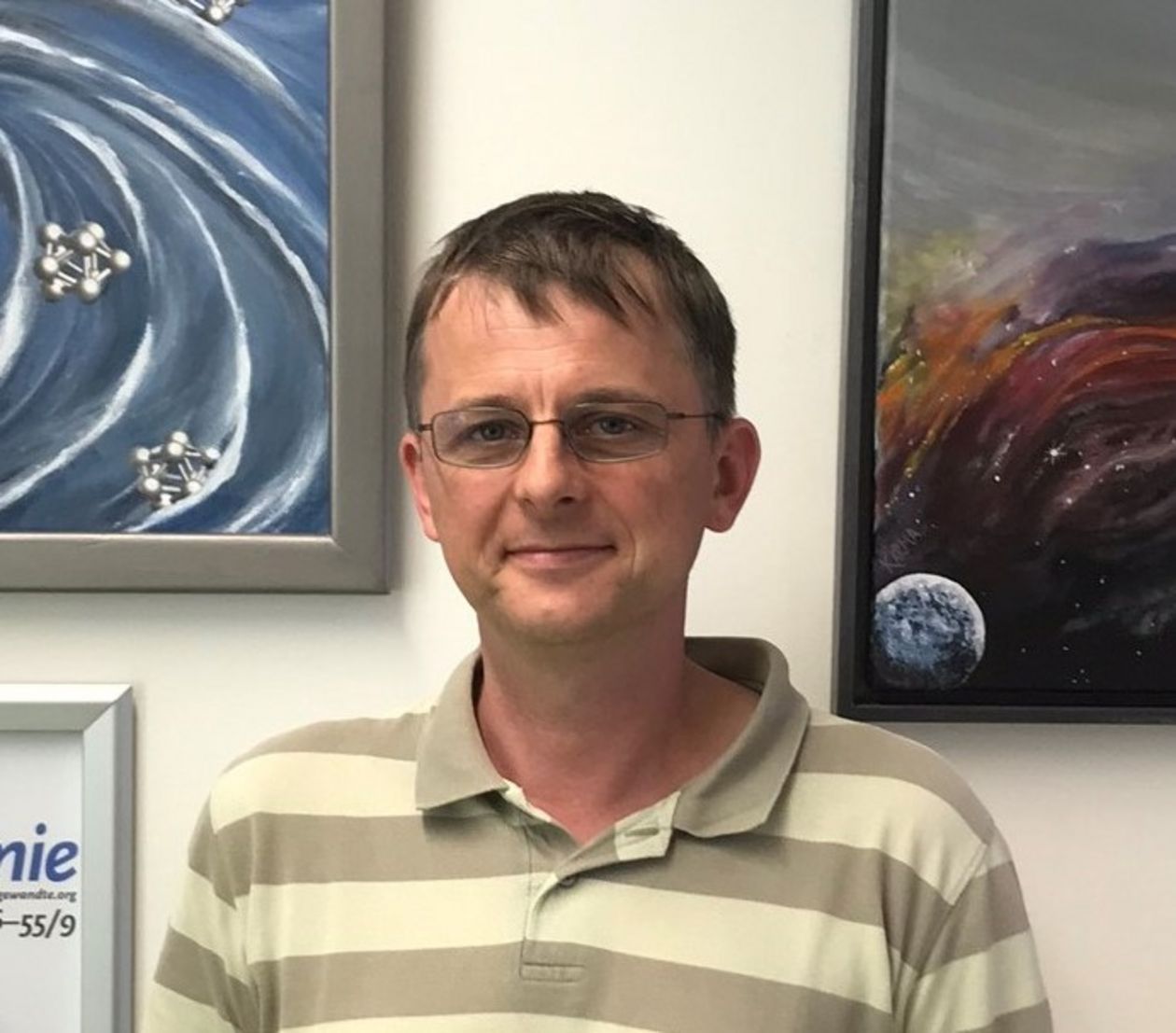
Professor Lars Wesemann is a distinguished faculty member in the Department of Chemistry at Eberhard Karls University of Tübingen, where he has served as a Professor since August 2003. He leads the Wesemann Working Group (AK Wesemann) within the Inorganic Chemistry section of the Faculty of Mathematics and Natural Sciences. His research group maintains active collaborations with numerous institutions and researchers worldwide, as evidenced by his extensive publication record.
Professor Wesemann received his chemistry education at RWTH Aachen University, completing his diploma thesis in February 1988 under Professor Herberich. He earned his doctorate (Promotion) in June 1990 from the same institution. Following a postdoctoral fellowship at MIT with Professor Seyferth (1990-1991), he completed his Habilitation in June 1997 at RWTH Aachen. His academic career progressed through positions as Private Lecturer at RWTH Aachen (1997-1998), Acting Chair at the University of Karlsruhe (1998-1999), and University Professor at the University of Cologne (1999-2003) before joining the University of Tübingen.
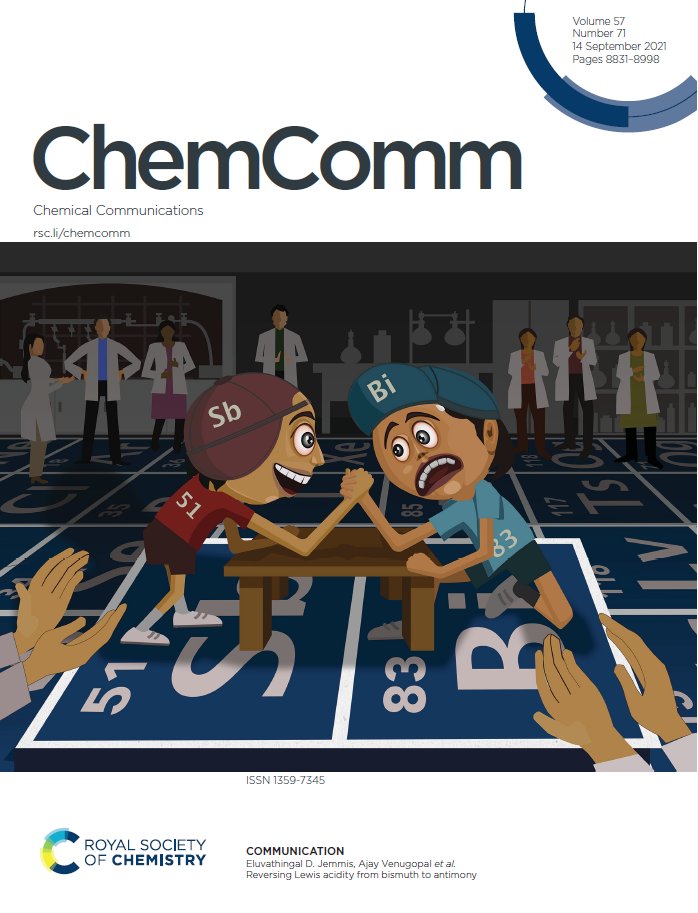
Professor Wesemann's research focuses on the chemistry of main group elements, particularly tin, germanium, and lead compounds. His work explores unusual bonding situations, low-valent species, and the reactivity of novel compounds. The Wesemann Working Group has made significant contributions to the understanding of stanna-closo-dodecaborate chemistry, multiple bond formation between heavier main group elements, and the coordination chemistry of unusual ligands. His research combines synthetic inorganic chemistry with detailed structural and spectroscopic characterization to elucidate reaction mechanisms and bonding principles.
An analysis of Professor Wesemann's recent publications (2021-2023) reveals several key research trends. His group continues to pioneer the chemistry of heavier main group element multiple bonds, particularly exploring authentic double and triple bonds involving tin, germanium, and lead. The group has developed novel methodologies for synthesizing and stabilizing low-valent species, including stannaborenes, phosphastannenes, and germasilenylenes. A significant portion of recent work focuses on the reactivity of these unusual compounds with small molecules, demonstrating applications in small molecule activation and potential catalytic transformations. The Wesemann group also maintains a strong interest in boron cluster chemistry, particularly stanna-closo-dodecaborate derivatives and their transition metal coordination chemistry.
- Doctoral scholarship from the Chemical Industry Fund (1988-1990)
- Research scholarship (DAAD) (1990-1991)
- Heisenberg scholarship (1997-1998)
- Borchers Plaque RWTH Aachen (1990)
- Friedrich Wilhelm Prize (1990)
Professor Wesemann has mentored numerous doctoral students, as evidenced by the extensive list of former employees with "Dr. rer. nat." designations. His group has secured significant research funding to support their synthetic and characterization work, including equipment for advanced spectroscopic and structural analysis. The Wesemann Working Group maintains strong international collaborations, particularly with researchers in the United States, as reflected in co-authored publications.
The Wesemann Working Group operates within the Institute of Inorganic Chemistry at the University of Tübingen, with laboratory facilities in Building A on the 7th Floor. The group typically consists of current employees including PhD students, postdoctoral researchers, and technical staff, working collaboratively on various aspects of main group element chemistry. The group maintains active collaborations with theoretical chemists to complement their experimental work with computational studies of bonding and reactivity.