معرفی
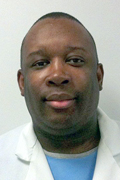
Larry D. Bowes, MD serves as Assistant Professor in the Department of Ophthalmology at Loma Linda University School of Medicine, where he maintains an active clinical and research profile focused on complex eye diseases and surgical outcomes. His career spans over five decades since earning his medical degree, with continuous contributions to ophthalmological science and patient care.
Education:
- Doctor of Medicine (MD), Loma Linda University, 1971
Research Focus: Dr. Bowes specializes in retinal pathology and cataract surgery optimization, with particular expertise in diagnostic imaging techniques. His work bridges clinical practice and research through Optical Coherence Tomography analysis, visual field diagnostics, and anatomical predictors for surgical outcomes. Current investigations examine how anterior chamber depth and axial length ratios influence refractive results after cataract procedures, aiming to refine surgical precision and patient recovery.
Publication Trends: His scholarly output demonstrates consistent focus on retinal disease mechanisms and imaging technology applications, with recent work emphasizing the intersection of diagnostic imaging and surgical planning in ophthalmology. The 2010 publication on Purtscher-like retinopathy established his methodological approach combining advanced imaging with functional visual assessment.
Scientific Awards:
- No awards documented in available records
Advising and Research Funding: As Principal Investigator for the 2019 LLU Department of Ophthalmology-approved project on cataract surgery predictors, Dr. Bowes leads institutional research initiatives examining anatomical biomarkers for surgical outcomes. No formal graduate student advisement is recorded, though his PI role indicates leadership in research team coordination and methodological supervision within clinical ophthalmology studies.
Labs and Teams: Dr. Bowes operates within the integrated research ecosystem of Loma Linda University's Ophthalmology Department, collaborating with clinical and technical teams to advance diagnostic protocols and surgical innovation through evidence-based approaches to eye disease management.