معرفی
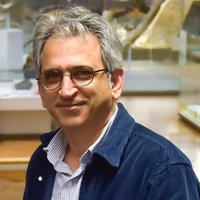
Kyung Min Lee serves as DNA Laboratory Manager, Supervisor for the Doctoral Programme in Wildlife Biology, and University Researcher within the Zoology Unit at the University of Helsinki's Finnish Museum of Natural History. Based at Biocentre 3 in Helsinki, Finland, Lee maintains active research and laboratory leadership roles with current projects extending through 2026.
Education:
- Ph.D. in Biodiversity and Environmental Ecology from Chungnam National University (awarded February 25, 2013)
Lee's research program centers on species delimitation and phylogenetics using genetic and genomic data, with primary focus on Lepidoptera (moths/butterflies) and Hymenoptera (wasps/bees). The work integrates museomics—applying advanced genomic techniques to Type specimens and rare/extinct materials—to objectively delineate species and uncover true biodiversity. Key interests include population-level relationships, genomic-scale diversity patterns, hybridization detection, gene flow analysis between closely related taxa, and genetic adaptations to environmental stressors. This approach bridges classical taxonomy with modern genomic methodologies.
Recent publications demonstrate consistent focus on integrative taxonomic approaches combining morphological analysis with genomic data, particularly using museum specimens. The work spans diverse geographical contexts from European grasslands to African ecosystems, with increasing application of machine learning and advanced imaging techniques like micro-CT scanning for specimen analysis. Current research emphasizes urbanization impacts on insect populations and molecular mechanisms of evolutionary adaptation.
Scientific Awards:
- Pentti Tuomikoski Fund (2021, 2024, 2025)
- Royal Entomological Society Early Career Article Award 2024
Lee actively supervises doctoral students as evidenced by hosting academic visitors and serving as thesis supervisor, while managing significant research funding including Academy Research Fellow grants from the Research Council of Finland and multiple ministry-funded projects. Current grants support DNA barcoding of algae, species delimitation of Angelabella moths, and evolutionary consequences of urbanization.
As manager of the DNA Laboratory and Genomic Resources Collection (LS-RIA/HUBCRI), Lee oversees critical infrastructure including automated DNA extractors, cooling centrifuges, fluorometric quantification systems, and gel documentation equipment. The laboratory serves as a core facility supporting genomic research within the Zoology Unit.