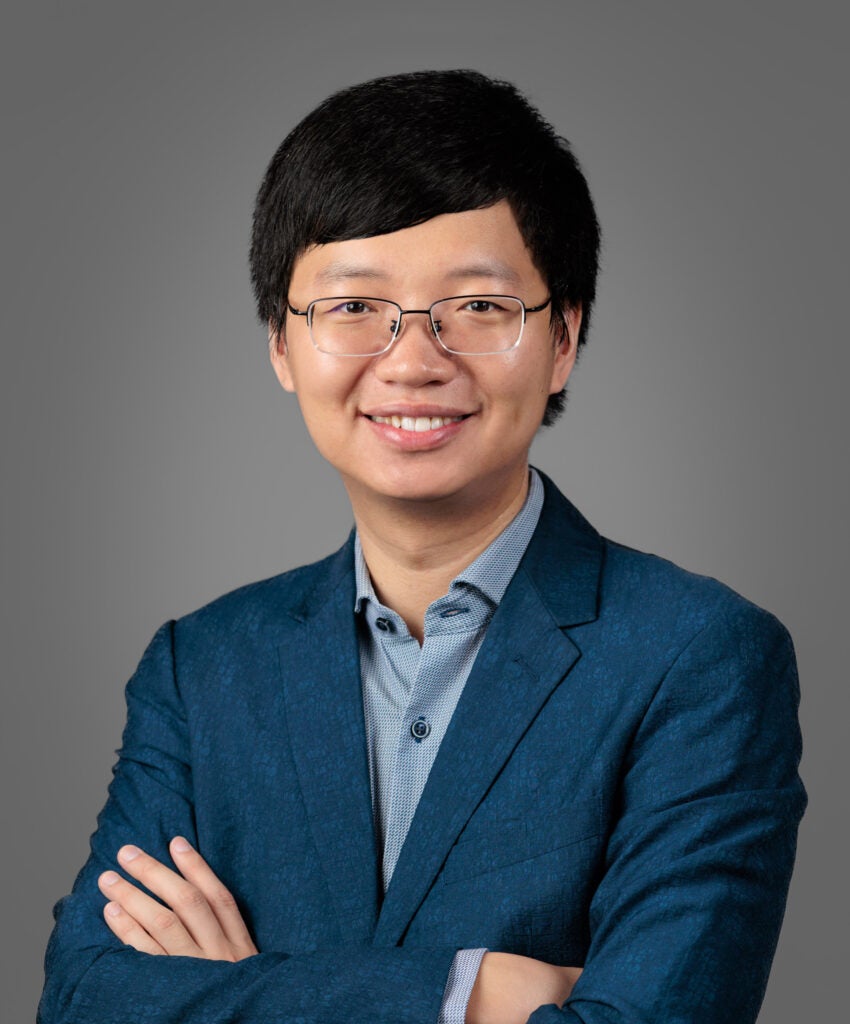
Kwon Kyung-ha
استاد · Wearable Medical Devices
KAIST - Korea Advanced Institute of Science & Technologyمعرفی
Professor Kwon Kyung-ha is a faculty member in the Department of Electrical Engineering at Korea Advanced Institute of Science and Technology (KAIST), where he leads cutting-edge research in wearable medical technology and energy-efficient sensor systems.
His research focuses on developing innovative solutions for continuous health monitoring through wearable devices. Professor Kwon specializes in energy harvesting technologies that utilize ambient light to power medical sensors, enabling 24/7 health monitoring without bulky batteries. His work integrates photometric methods, photovoltaic systems, and photoluminescent technologies to create adaptive power management solutions for medical wearables.
Professor Kwon's recent publication in Nature Communications demonstrates significant advancements in reducing power consumption by 86.22% through ambient light utilization. His research spans multiple subfields including photoplethysmography for cardiovascular monitoring, blue-light dosimetry for skin protection, and microfluidic sweat analysis for detecting dehydration and electrolyte imbalances.
His scientific achievements have been recognized through multiple prestigious research grants and awards:
- National Research Foundation of Korea's Excellent Young Researcher Project
- Regional Innovation Leading Research Center Project
- Ministry of Science and ICT's IITP Artificial Intelligence Semiconductor Graduate School Project
- BK FOUR Program (Connected AI Education & Research Program for Industry and Society Innovation)
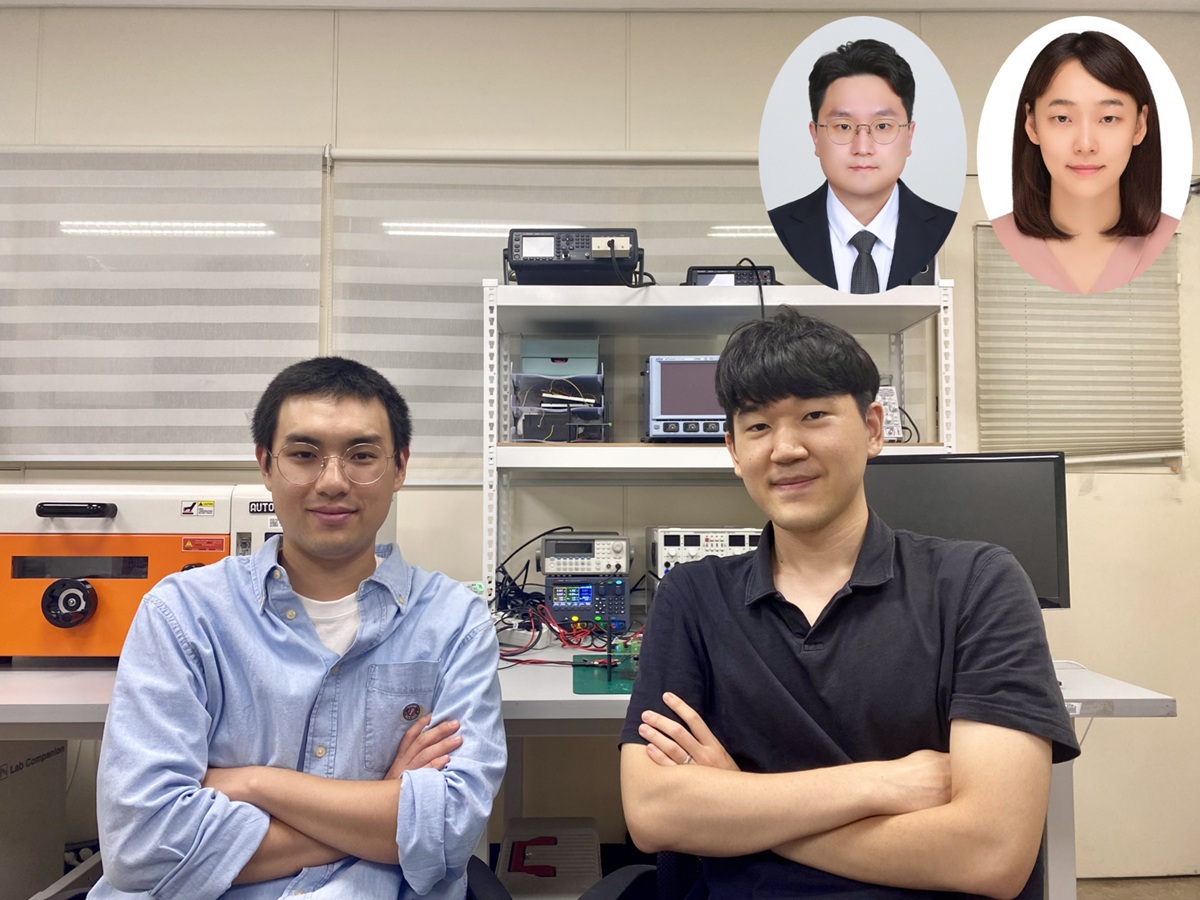
Professor Kwon actively mentors graduate students including Sim Young-min (integrated master's and doctoral program) and Park Do-yoon (doctoral program), and collaborates internationally with researchers such as Dr. Park Chan-ho at Northwestern University. His research team has developed an adaptive wireless wearable platform that integrates three complementary light energy technologies to enable continuous health monitoring.
His laboratory focuses on developing practical applications of energy harvesting technology for medical devices, with emphasis on real-world implementation through flexible printed circuit boards that can be attached directly to skin. The team's work aims to shift the medical paradigm from treatment-centered to prevention-centered healthcare through continuous monitoring capabilities.