معرفی
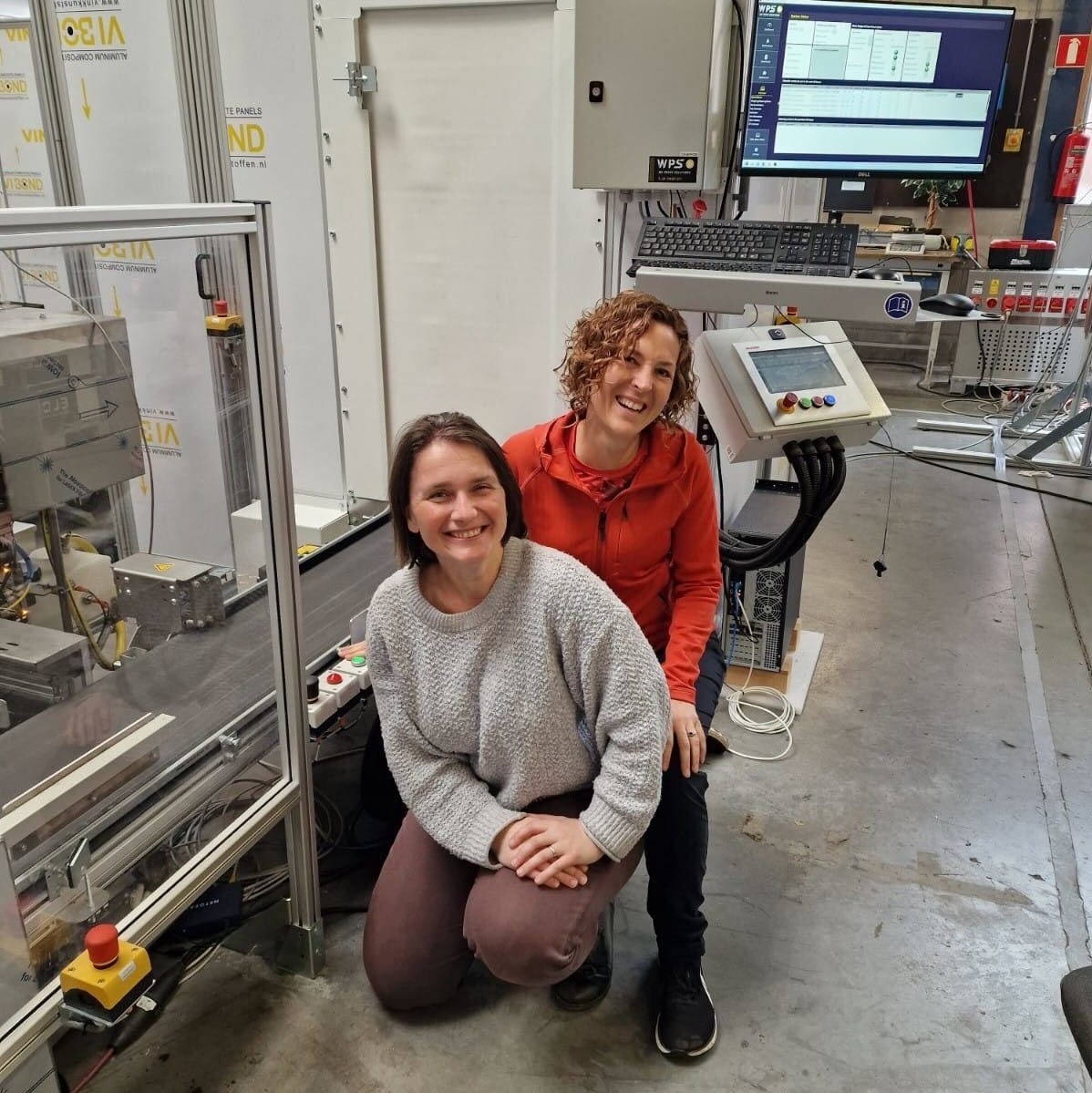
Kusum Khatri is a Researcher in the Department of Life Sciences, actively contributing to plant science and sustainable agriculture. She is currently involved in the PlastiRoots project, an externally funded research initiative under Horizon Europe and the UKRI Guarantee Fund, focusing on root plasticity in barley under salt stress.
Research Interests: Her work centers on abiotic stress tolerance in plants, particularly salinity and UV-induced oxidative stress. She investigates biochemical and molecular mechanisms of detoxification in halophytic species and model plants like Arabidopsis. Her research integrates advanced root phenotyping, fatty acid profiling, and genome-wide association studies, with functional validation using CRISPR gene editing to improve climate resilience in crops.
The recent publications highlight her focus on reactive carbonyl species and aldehyde detoxification pathways, particularly involving oxidoreductase enzymes. These studies compare stress responses across halophytes and examine gene redundancy in aldehyde metabolism under photooxidative conditions.
Scientific Contributions:
- Active researcher in the PlastiRoots project aiming to enhance barley's salt tolerance through root trait engineering.
- Contributor to understanding plant stress response mechanisms at the biochemical and genetic levels.
Advising and Grants: While no formal students are listed, she collaborates extensively across international teams. She is a named researcher on a Horizon Europe-funded project (EP/Y030433/1) with a grant value of £200,511.96, indicating significant involvement in externally funded research.
Labs and Teams: She is part of a collaborative research network focused on plant stress biology, working with experts in root phenotyping, genomics, and metabolic profiling. The PlastiRoots project involves a multidisciplinary team applying cutting-edge techniques to address global food security challenges under climate change.