معرفی
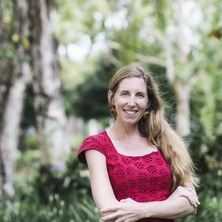
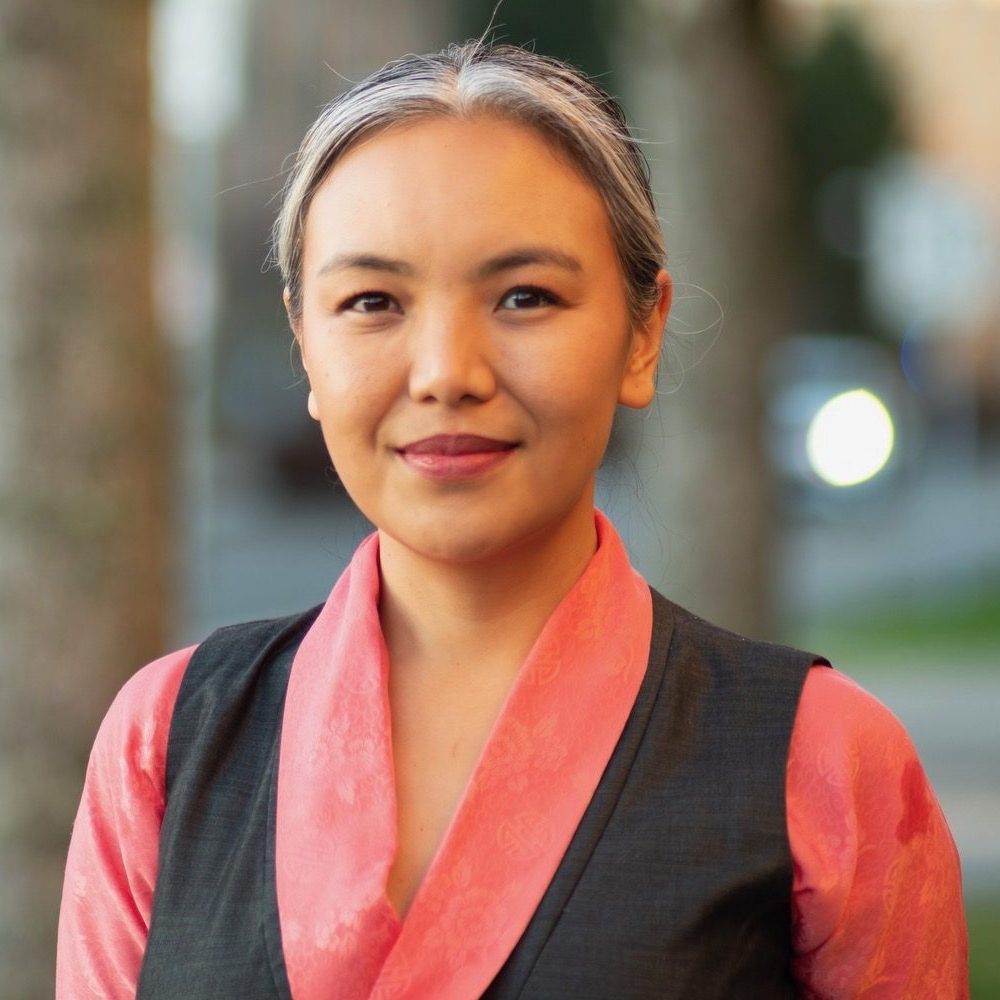
Kristen Lyons is a Senior Lecturer in Environment and Development Sociology at The University of Queensland, where she has established herself as a prominent researcher at the intersection of environmental and social justice issues. She also holds significant external positions as an O'Brien Fellow at McGill University's Centre for Human Rights and Legal Pluralism and as a Senior Research Fellow with the Oakland Institute. Her academic credentials include a PhD from Central Queensland University completed in 2001.
Dr. Lyons' research program centers on critical examinations of development and environmental issues through a justice lens. Her international work spans East Africa and the Pacific regions, where she has investigated organic agriculture and international trade systems, carbon markets, and community forestry initiatives. In Australia, she addresses urgent concerns including Indigenous rights within the climate crisis, extractive industries, food sovereignty movements, and the privatization of science and higher education institutions. A consistent thread throughout her scholarship is the centering of Indigenous rights and perspectives in environmental governance and climate policy.
Her publications reveal a strong pattern of connecting academic research with real-world advocacy and policy interventions. Dr. Lyons has made significant contributions to the discourse around climate justice, particularly through her analysis of the landmark UN decision regarding Torres Strait Islanders' rights. Her work on agricultural development challenges conventional narratives about the Green Revolution's benefits for smallholder farmers in Ghana and examines the realities of the global cashew industry. She also critically engages with the role of universities in society, arguing for their necessity as spaces of academic freedom and social responsibility in times of multiple crises.
As an active public intellectual, Dr. Lyons regularly contributes to policy debates and media discussions on environmental and social justice issues. Her work demonstrates a commitment to bridging the gap between academic knowledge production and practical advocacy, making her research relevant to communities directly affected by environmental change and social inequality.