معرفی
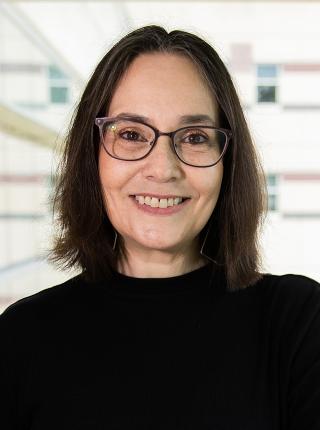
Kristen Long serves as an Associate Professor in the Department of Biological and Health Sciences at Mansfield University, where she leads research on pancreatic cancer stromal biology. Her work bridges molecular oncology and immunology to overcome therapeutic resistance mechanisms inherent in fibrotic tumor microenvironments.
Her educational foundation includes a Ph.D. in Microbiology and Immunology from Drexel University College of Medicine, a B.S. in Biology with Chemistry minor from Millersville University, and a Postdoctoral Fellowship through the Penn-PORT program at the University of Pennsylvania. This multidisciplinary training underpins her mechanistic approach to tumor-stroma interactions.
Dr. Long's research centers on pancreatic cancer's fibrotic stroma as a therapeutic barrier, investigating how immunotherapy can degrade key stromal components to enhance drug delivery. Her expertise spans cell/molecular biology, immunology, and fibrosis mechanisms, with emphasis on tumor microenvironment dynamics, macrophage-tumor interactions, and stromal remodeling. She employs tissue culture, histology, and genetic models to dissect pathways governing therapeutic resistance.
Analysis of her publication record reveals an evolutionary trajectory from foundational fibrosis studies (using Tight Skin 2 mouse models of scleroderma) to current pancreatic cancer research. Her work consistently targets stromal barriers through immunomodulation, with recent focus on macrophage reprogramming, cytokine networks (IL-6, IFN-γ), and combination chemoimmunotherapy strategies. Key themes include stromal degradation for improved drug penetration and overcoming immunosuppressive microenvironments.
As an Advisory Board Member for the American Cancer Society (NEPA), Dr. Long contributes to community cancer initiatives. Her research program demonstrates sustained external engagement through collaborative publications with institutions like University of Pennsylvania, while her mentorship includes guiding Mansfield University students in cancer research as evidenced by undergraduate co-authorships.
Her laboratory investigates tumor-stroma crosstalk using pancreatic cancer models, focusing on translating fibrosis biology into therapeutic strategies. Current efforts prioritize identifying specific stromal proteins that constitute therapeutic barriers and developing targeted degradation approaches to enhance conventional and immunotherapies for pancreatic cancer.