معرفی
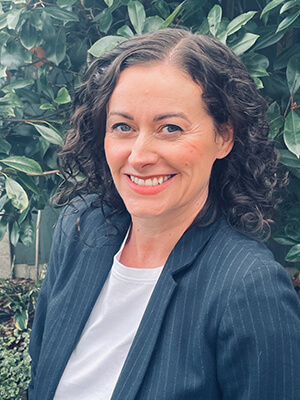
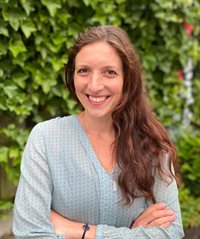
Kriss Fearon is a Research Fellow at De Montfort University (DMU), affiliated with the School of Applied Social Sciences and the Centre for Reproduction Research within the Faculty of Health and Life Sciences. She is currently working on the PRECAS Project, an ESRC-funded initiative exploring preconception expanded carrier screening. Her research is deeply embedded in medical sociology, reproductive ethics, and the lived experiences of individuals and families affected by reproductive challenges, particularly Turner Syndrome.
- PhD in Sociology, De Montfort University
- MA in Social Research, University of Leeds
- MPhil in Publishing Studies, University of Stirling
- BA (Hons) in Greek Studies and Philosophy, Keele University
Her research interests center on reproductive decision-making, sociotechnical imaginaries, egg and sperm donation, accessible research methods, and the psychosocial impact of reproductive technologies. She employs innovative qualitative methods such as photo elicitation interviews, particularly with populations facing cognitive or medical challenges. Her work bridges academic inquiry with public policy and patient advocacy.
The most recent articles reflect a consistent focus on Turner Syndrome, reproductive timing, expanded carrier screening, and the ethical dimensions of new reproductive technologies. Themes include stigma, family dynamics, anticipatory biomedicine, and the social construction of reproductive responsibility. Her publications span sociology, medical ethics, public health, and endocrinology, indicating strong interdisciplinary engagement.
Her scientific recognition includes the prestigious Mildred Blaxter Fellowship (2022–2023) and a poster prize at the RC33 International Conference. She has secured external funding from the Foundation for the Sociology of Health and Illness and the Parkes Foundation, supporting both dissemination and fieldwork.
Kriss Fearon has advised on policy through the CHAMPIONS project and contributed to public understanding via blogs, commentaries, and media engagement. She has co-organized academic conferences and panels, particularly around disability, reproduction, and genomics. Though no formal students are listed, her role as a senior research fellow and PhD graduate suggests mentorship within research teams. She is actively involved in professional associations including the British Sociological Association and 4S.
She is a key member of the Centre for Reproduction Research at DMU, contributing to its interdisciplinary mission. Her work often involves collaboration with clinicians, policymakers, and patient groups, reflecting a commitment to socially impactful research. She has also engaged internationally, including academic visits to the University of Warsaw and participation in global conferences.
حوزههای پژوهشی