معرفی
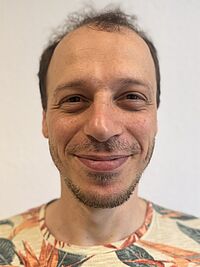
Prof. Dr. Klaus Schläppi is a Professor at the Department of Environmental Sciences, University of Basel, Switzerland. Since 2020, he has led research into plant-microbe interactions, focusing on how plants shape their root and rhizosphere microbiomes and how these microbial communities enhance crop growth and disease resistance. His work bridges soil microbiology, plant genetics, and sustainable agriculture, with a particular emphasis on maize and Arabidopsis thaliana as model systems.
- 2020–Present: Professor, University of Basel
- 2018–2022: Group Leader, University of Bern
- 2013–2018: Junior Group Leader, Agroscope, Switzerland
- 2010–2013: Postdoctoral Researcher, Max Planck Institute
- 2009: PhD in Plant Biology, University of Fribourg
His research employs field experiments, molecular microbiology, and bioinformatics to unravel plant-soil feedbacks. Recent studies highlight his team's discoveries on how root exudates like benzoxazinoids and coumarins drive microbial community assembly, and how such interactions can be harnessed for climate-resilient crops and reduced agrochemical dependence. Collaborative projects span institutions in Switzerland (University of Bern, FiBL) and France (University of Lorraine).
2023–2024 publications demonstrate his leadership in microbiome diagnostics, including predictive models for arbuscular mycorrhizal inoculation success based on soil physicochemical parameters. His group also identified a lactonase gene (bxdA) in maize root bacteria that metabolizes benzoxazinoids, a breakthrough for microbial adaptation understanding.
- 2024: Highly Cited Researcher (Cross-Field)
- 2023: Highly Cited Researcher (Cross-Field)
- 2021–2024: Supervised 9 MSc theses on topics ranging from compost-mediated disease suppression to Pseudomonas community dynamics
Prof. Schläppi's lab collaborates on climate change response projects like EUCOR's Roots of Resilience, studying rhizosphere microbiomes to combat grapevine diseases. His teaching award for the 2023 Plant Biology block course underscores his commitment to interdisciplinary education in plant sciences.