معرفی
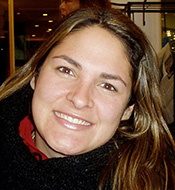
Dr. Kit Prendergast, also known as the Bee Babette, is a Postdoctoral Researcher in Pollination Ecology at the University of Southern Queensland. She holds adjunct affiliations with Curtin University and Murdoch University, where she has served as a PhD supervisor and researcher. Her academic journey includes a PhD from Curtin University (2016–2021), supported by the Forrest Research Foundation.
Dr. Prendergast is a leading native bee ecologist whose research spans conservation biology, urban ecology, pollination networks, taxonomy, and biodiversity assessment critique. She is especially known for her innovative work on post-bushfire bee recovery, including the deployment of 1,000 bee hotels in Western Australia’s Jarrah Forest after the Black Summer fires, which successfully aided native bee recolonization. Her research also highlights the negative ecological impacts of feral honeybees on native species and ecosystems, advocating for policy changes in national park management.
Her recent publications reveal a strong trend in practical conservation solutions, such as using gravel to enhance nesting conditions for ground-nesting bees and developing artificial habitats for cavity-nesters. These studies bridge ecological science with actionable urban and agricultural planning.
- Federal Government Bushfire Recovery Grant
- Forrest Research Foundation PhD Funding
- Flow Hive research publication support
- Australian Wildlife Society funding
Dr. Prendergast is deeply committed to scientific communication (scicomm), engaging the public through media, speaking requests, and social media (@BeeBabette). She advises on research collaborations and supervises students, particularly in pollination and conservation projects. She is also involved in interdisciplinary work exploring the cultural representation of bees in art and history.
She has contributed to public understanding of critical environmental issues, including deforestation linked to livestock, biosecurity threats from Varroa mites, and the need for native pollinator conservation. Her work underscores the importance of integrating pollinator recovery into broader ecosystem restoration efforts.