
معرفی
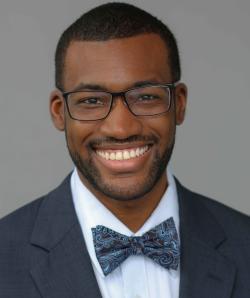
Kirkland Wilson, MD, PhD is an Assistant Professor in the Department of Genetics and Genome Sciences at Case Western Reserve University School of Medicine. He is based at the Center for Human Genetics and functions as a physician-scientist with a strong focus on translational research in metabolic disorders.
His research interests lie at the intersection of clinical genetics and analytical biochemistry, particularly in developing accessible and affordable diagnostic tools for inborn errors of metabolism. His work emphasizes chromatographic techniques, especially high-performance liquid chromatography (HPLC), to study small molecule metabolism. Key areas include aminoacidopathies, organic acidopathies, and fatty acid oxidation defects. A major goal of his lab is to create low-cost assays suitable for implementation in low-resource settings, improving global access to metabolic diagnostics. He also investigates at-home sampling methods, particularly innovations in dried blood spot card pretreatment to enhance sample stability and diagnostic accuracy outside traditional hospital environments. Additionally, he explores the potential of small molecule compounds as therapeutics in broader disease contexts.
Dr. Wilson received his MD and PhD from Case Western Reserve University through the Medical Scientist Training Program, conducting his doctoral research in the lab of Dr. Henri Brunengraber on propionyl-CoA metabolism. He completed a dual residency in Pediatrics and Medical Genetics through the joint program of Children's National Hospital and the National Human Genome Research Institute (NHGRI) in Washington, DC. He continued at NHGRI for two specialized fellowships: a laboratory-focused Clinical Biochemical Genetics fellowship and a patient-focused Medical Biochemical Genetics fellowship, during which he developed novel HPLC-based amino acid analysis methods and advanced dried blood spot stabilization techniques.
During his fellowship, Dr. Wilson pioneered a new methodology for amino acid analysis using HPLC and initiated work on pretreatment strategies for dried blood spots to improve sample integrity. These innovations support his broader mission of expanding diagnostic equity and enabling remote monitoring of metabolic conditions. While no formal advising roles or funded grants are explicitly detailed, his research trajectory indicates active involvement in training and translational science. He is affiliated with the Center for Human Genetics and contributes to both research and teaching missions at the School of Medicine.
حوزههای پژوهشی


