معرفی
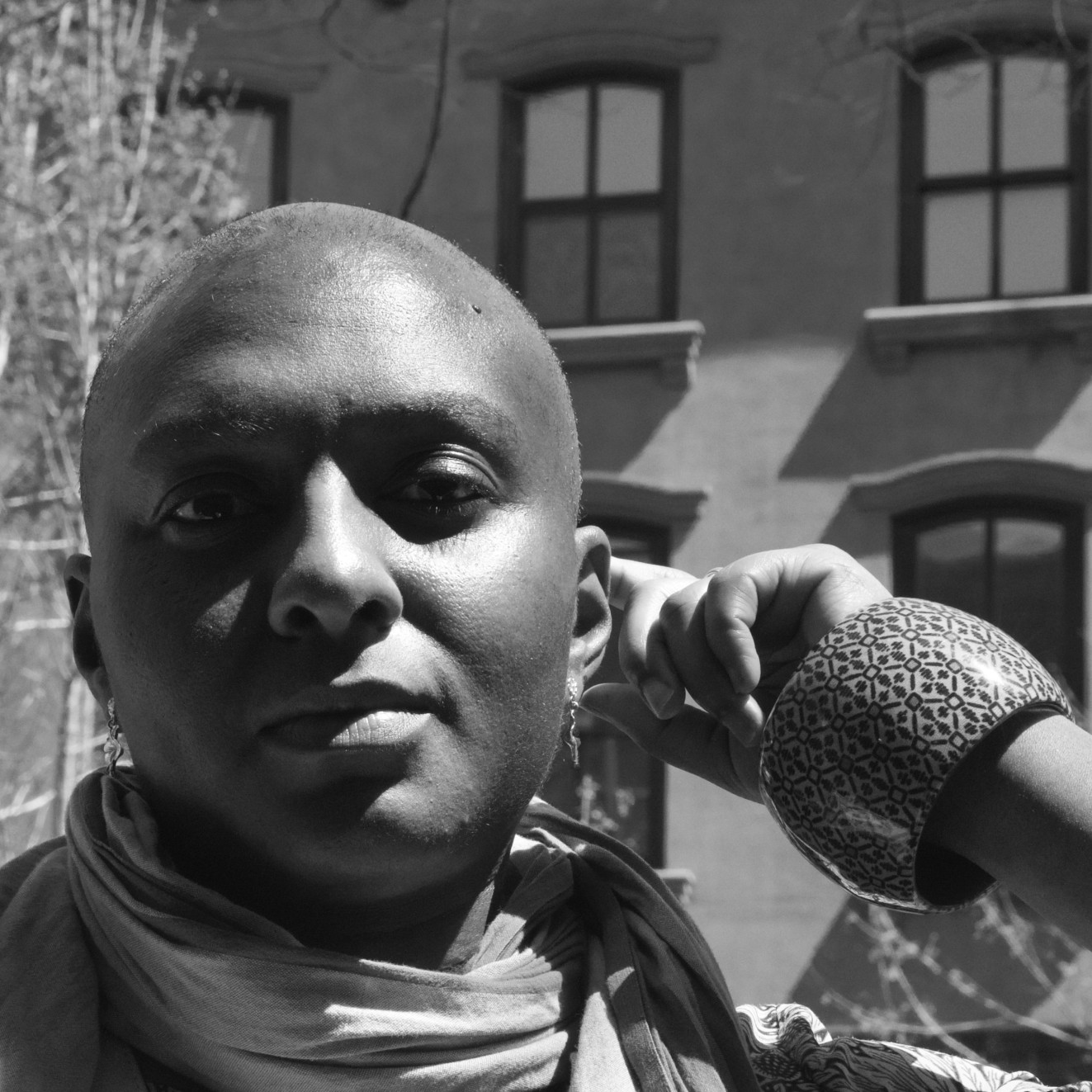
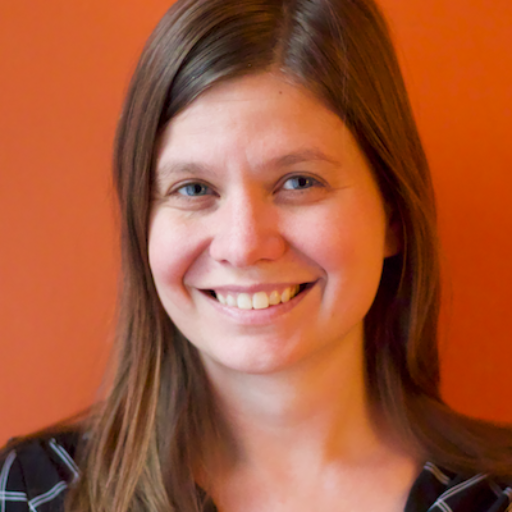
Kelly Baker Josephs is a Professor of English and Digital Humanities at York College and the CUNY Graduate Center, where she has served since 2006, advancing from Assistant Professor to her current full Professor position since 2019. She also holds a concurrent appointment at the CUNY Graduate Center in English and Digital Humanities since 2018.
Her academic journey includes a Ph.D. in English from Rutgers University with a Certificate in Women's and Gender Studies, an M.A. in Literature from Florida International University, and a B.S. in Communications (Magna Cum Laude) from the University of Miami. Her dissertation, 'Defining Madnesses: Representations of Insanity in Anglophone Caribbean Literature,' was directed by Brent Hayes Edwards.
Dr. Josephs' research spans Caribbean Literature, Postcolonial Literature, Literature of the African Diaspora, Gender and Sexuality studies, and Digital Humanities. Her scholarly output shows a clear evolution from traditional literary analysis in 'Disturbers of the Peace' (2013) toward digital methodologies in 'The Digital Black Atlantic' (2021), reflecting her growing focus on digital infrastructure for Caribbean scholarship.
Her digital projects reveal a cohesive vision: Caribbean Commons provides regional networking for Caribbean Studies in the Northeast US; The Caribbean Digital conference series creates scholarly exchange spaces; and sx salon served as a digital literary platform from 2010-2019. These initiatives demonstrate her commitment to building sustainable digital ecosystems for Caribbean scholarship.
- Academic Co-Director, Faculty Fellowship Publication Program, CUNY
- Director, York College Honors Program, 2012–2014
- Managing Editor, Small Axe: A Caribbean Journal of Criticism, 2007–2012
- Editor, sx salon: a small axe literary platform, 2010–2019
Through her teaching of innovative courses like 'The Digital Caribbean' and 'Introduction to Digital Humanities,' Dr. Josephs has cultivated a new generation of scholars who bridge literary analysis with digital methods. Her recent work on virtual residencies and summer institutes indicates an expanding vision for Caribbean digital scholarship that increasingly incorporates creative practice alongside academic research.