معرفی
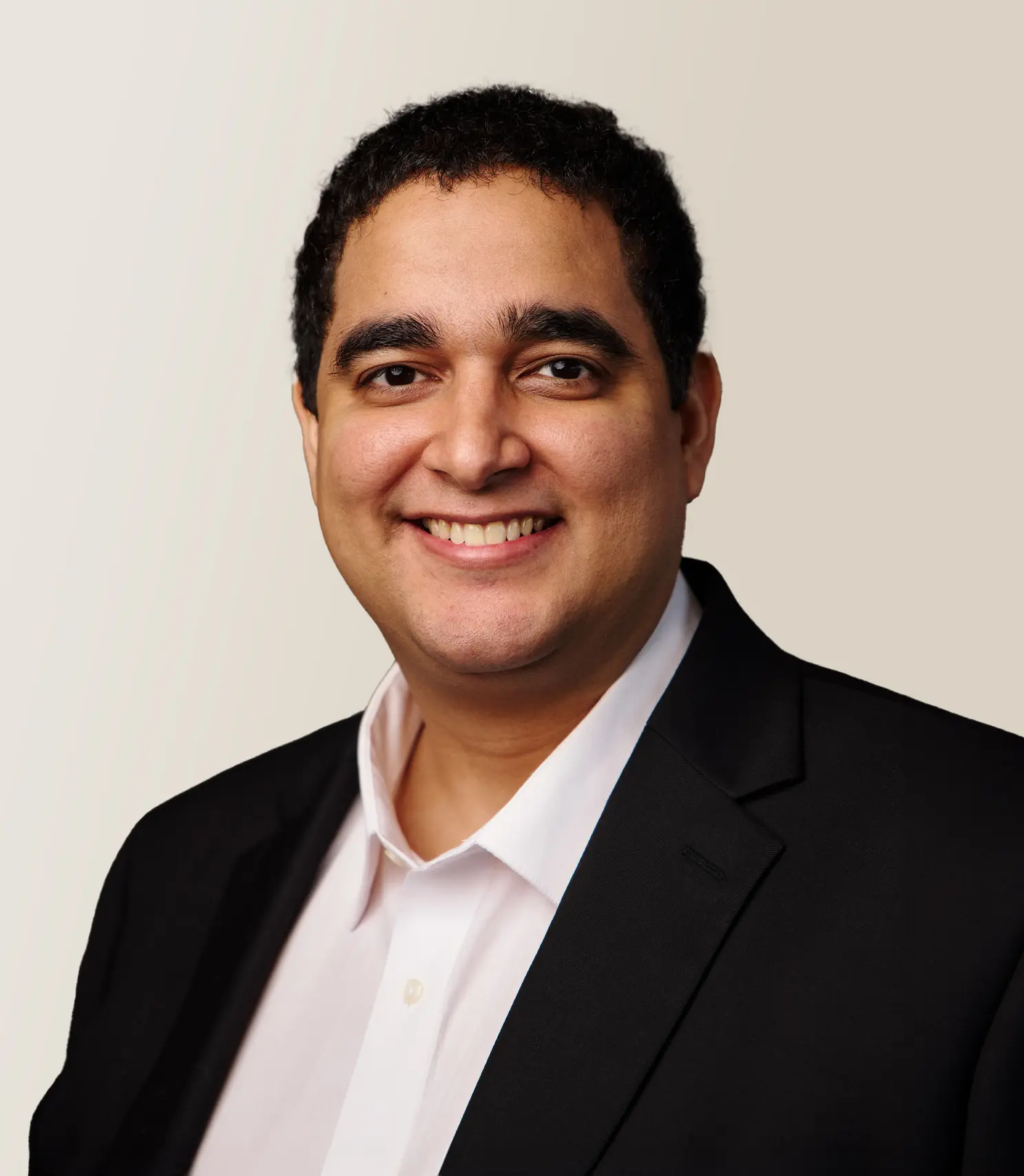
Keith Ericson is a Professor of Markets, Public Policy, and Law at Boston University's Questrom School of Business, where he holds the position of Dean's Research Scholar. His office is located in the Rafik B. Hariri Building at 595 Commonwealth Avenue, Boston. With a robust research profile focusing on the intersection of behavioral economics and health policy, Ericson has established himself as a leading scholar in understanding consumer decision-making in health insurance markets and healthcare systems.
- PhD, Harvard University, 2011
- AM, Harvard University, 2008
- BA, Williams College, 2004
Professor Ericson's research centers on behavioral economics applied to health policy, with particular expertise in health insurance markets, consumer choice architecture, and healthcare system design. His work investigates how individuals make decisions regarding health insurance enrollment, how organizational structures affect healthcare delivery, and how behavioral interventions can improve health outcomes. His research often combines theoretical modeling with empirical analysis of large-scale administrative datasets to provide policy-relevant insights.
Analysis of Ericson's publication record reveals a consistent focus on understanding decision-making in healthcare markets, particularly examining how consumers interact with health insurance systems. His work spans both theoretical contributions to behavioral economics and practical applications to healthcare policy design. A recurring theme is examining how default options, information presentation, and market structure influence consumer choices in health insurance contexts, with significant implications for policy design and implementation.
Through his Google Scholar profile, Ericson demonstrates substantial academic impact with thousands of citations and a strong h-index, reflecting the significance and reach of his contributions to the field of health economics and behavioral public policy.
Professor Ericson maintains an active research agenda with numerous collaborators across institutions, as evidenced by his extensive publication record in top economics and policy journals. His work often involves interdisciplinary collaborations with researchers in medicine, public health, and psychology, reflecting the complex nature of healthcare decision-making.