معرفی
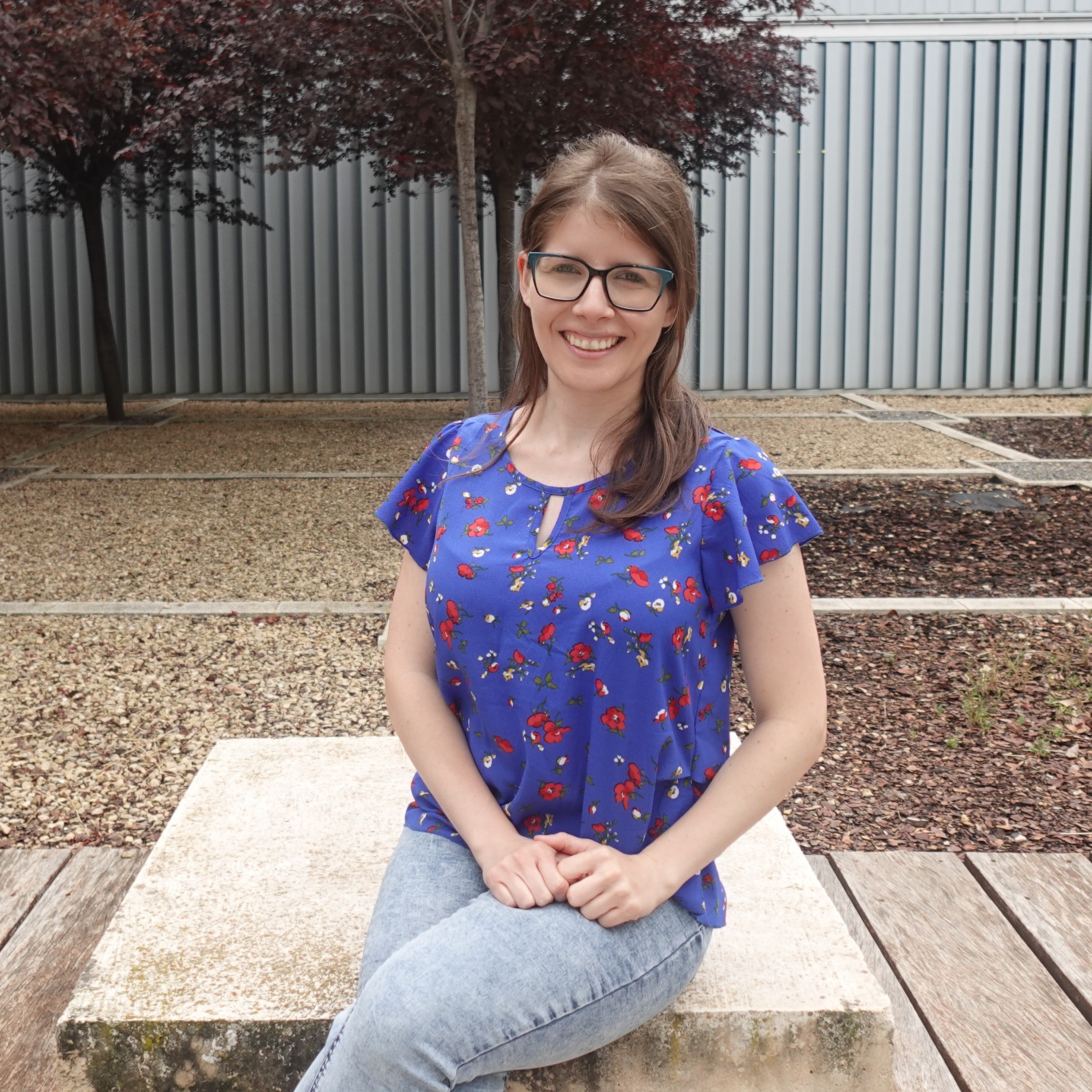
Katiuska Alexandrino is a researcher at the Thermochemical Processes Group (GPT) within I3A at the University of Zaragoza, where she leads a Marie Skłodowska-Curie European project focused on developing sustainable aviation fuel. She holds a Chemical Engineering degree from the University of Aveiro in Portugal and completed both her Master's degree and PhD at the University of Zaragoza.
Dr. Alexandrino earned her PhD in 2018 with summa cum laude honors and an International Doctorate Mention, receiving the prestigious Extraordinary Doctorate Prize. Her research focuses on laboratory-scale studies of biofuel combustion to reduce pollutant emissions, with particular emphasis on understanding key chemical pathways in fuel consumption and product formation. This fundamental work supports the development of cleaner combustion systems for sustainable transportation solutions.
Her current Marie Skłodowska-Curie project addresses sustainable aviation fuel development, aligning with European Commission policies requiring sustainable fuels at EU airports. She identifies significant challenges in producing biofuels compatible with existing engines without major modifications, which would accelerate adoption of sustainable aviation solutions. Dr. Alexandrino believes detailed combustion process studies are essential for designing more efficient, less polluting future engines.
- Extraordinary Doctorate Prize
- Marie Skłodowska-Curie Fellowship
Dr. Alexandrino emphasizes that research requires perseverance, patience, and overcoming obstacles. She finds fulfillment in asking questions, designing experiments, and maintaining constant curiosity to discover new knowledge that can contribute to solving societal challenges. Her work in sustainable aviation fuel represents a critical contribution to reducing environmental impact in the transportation sector.
As a member of the Thermochemical Processes Group at I3A, Dr. Alexandrino works within a collaborative research environment focused on advancing thermochemical conversion processes and their applications in sustainable energy systems, contributing to Europe's transition toward cleaner transportation solutions.