معرفی
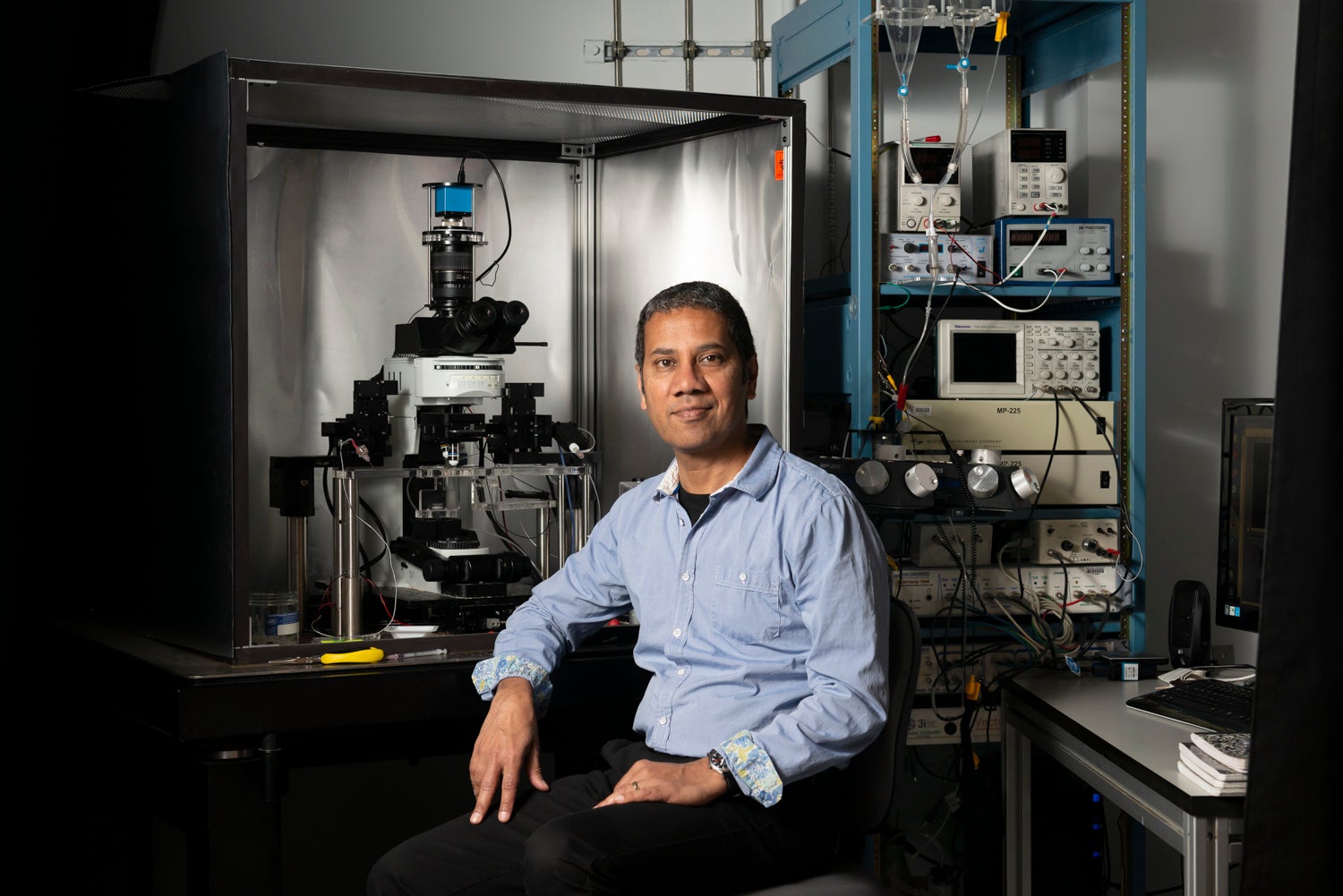
Katherine Nagel, PhD, is an Associate Professor in the Department of Neuroscience at NYU Grossman School of Medicine. She leads the Nagel Lab, which investigates how the brain transforms sensory stimuli into goal-directed motor actions using the fruit fly Drosophila as a model organism. Her interdisciplinary research integrates electrophysiology, genetic manipulations, quantitative behavior, and computational modeling.
Research Interests: Her work lies at the intersection of systems, cognitive, and computational neuroscience. The lab focuses on neural circuits that integrate multisensory cues—particularly olfactory and wind stimuli—to guide navigation. They study how internal states and external inputs interact to produce adaptive behaviors, with emphasis on sensorimotor transformation and decision-making in dynamic environments.
Recent Research Trends: Analysis of her recent publications reveals a strong focus on the neural basis of olfactory navigation, multisensory integration, and locomotor control in insects. Her team employs cutting-edge techniques such as whole-cell electrophysiology and 2-photon imaging, while also developing computational models to link neural activity to behavior. There is a growing interest in active sensing mechanisms, circuit-level organization, and the role of inhibitory control in shaping movement.
Scientific Awards:
- No awards explicitly mentioned in the provided text.
Advising and Grants: While specific students and grant funding are not listed, Dr. Nagel leads an active research lab and mentors trainees involved in complex neuroscience projects. Her publications include collaborations with postdocs, graduate students, and other principal investigators, indicating a robust training and collaborative environment.
Labs and Research Teams: The Nagel Lab is dedicated to understanding the neural basis of goal-directed behavior. The team uses a multidisciplinary approach combining genetics, electrophysiology, imaging, and computational modeling to dissect how brains process sensory information and generate purposeful actions in Drosophila. Their research contributes to broader understanding of neural circuit function across species.