معرفی
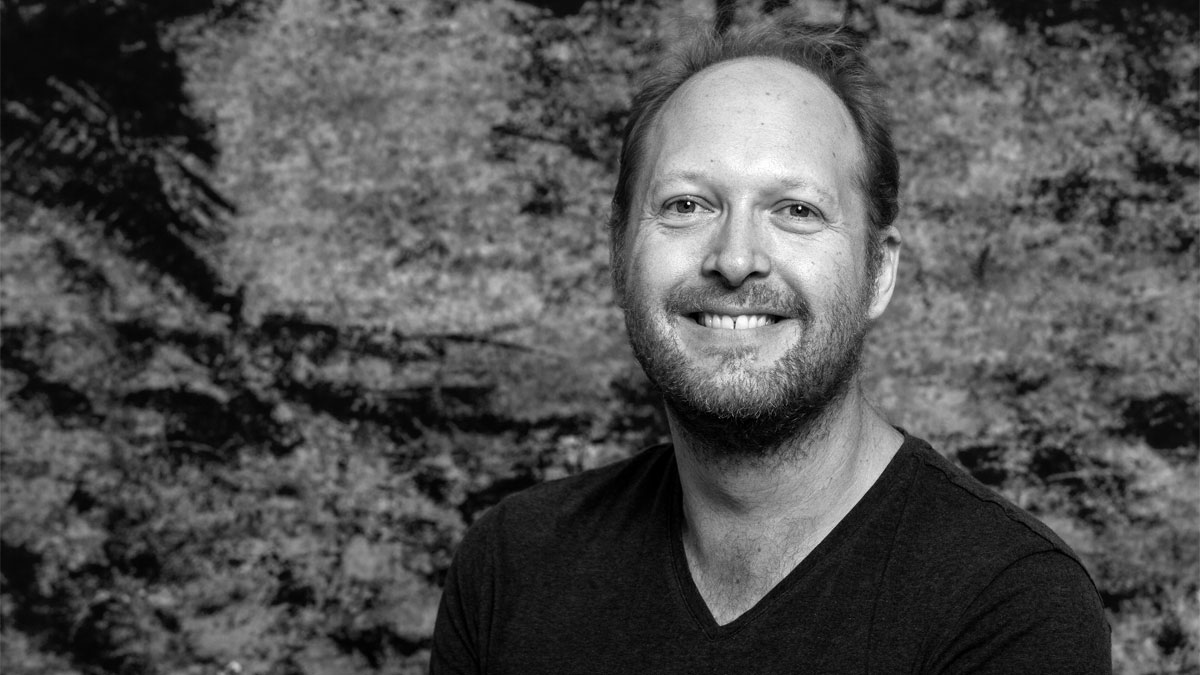
Professor Karl-Johan Lindholm is a prominent archaeologist at Uppsala University's Department of Archaeology, Ancient History and Cultural Preservation, specializing in Scandinavian prehistory and historical ecology. His research bridges archaeological theory with environmental science through extensive fieldwork across Northern Europe and Southern Africa.
His research focuses on hunter-gatherer societies, biocultural heritage, and human-environment interactions across deep time. Key contributions include developing niche construction theory applications in boreal forest colonization, pioneering zooarchaeological studies of bear symbolism during the Viking Age transition, and establishing frameworks for biocultural heritage management. His work integrates pollen analysis, GIS, and ethnoarchaeological approaches to reconstruct past landscapes and societal responses to ecological uncertainty.
Recent publications reveal strong trends in paleoclimatology-archaeology integration (notably volcanism impacts on Scandinavian societies), zooarchaeological studies of human-animal relationships, and theoretical advances in historical ecology. His research consistently addresses contemporary challenges like sustainable landscape management through deep-time perspectives, particularly evident in the TERRANOVA project policy frameworks.
Research leadership includes directing long-term projects on Scandinavian boreal forest colonization and Viking Age transitions, with significant funding from European research councils supporting his interdisciplinary team's work on climate-human interactions and biocultural heritage conservation. His collaborations span archaeology, ecology, and social sciences across multiple continents.
Professor Lindholm maintains active field research in Scandinavian river basins and boreal forests, with emerging work connecting historical resource management to modern sustainability challenges through his involvement in EU-funded landscape transformation initiatives.