.jpg)
معرفی
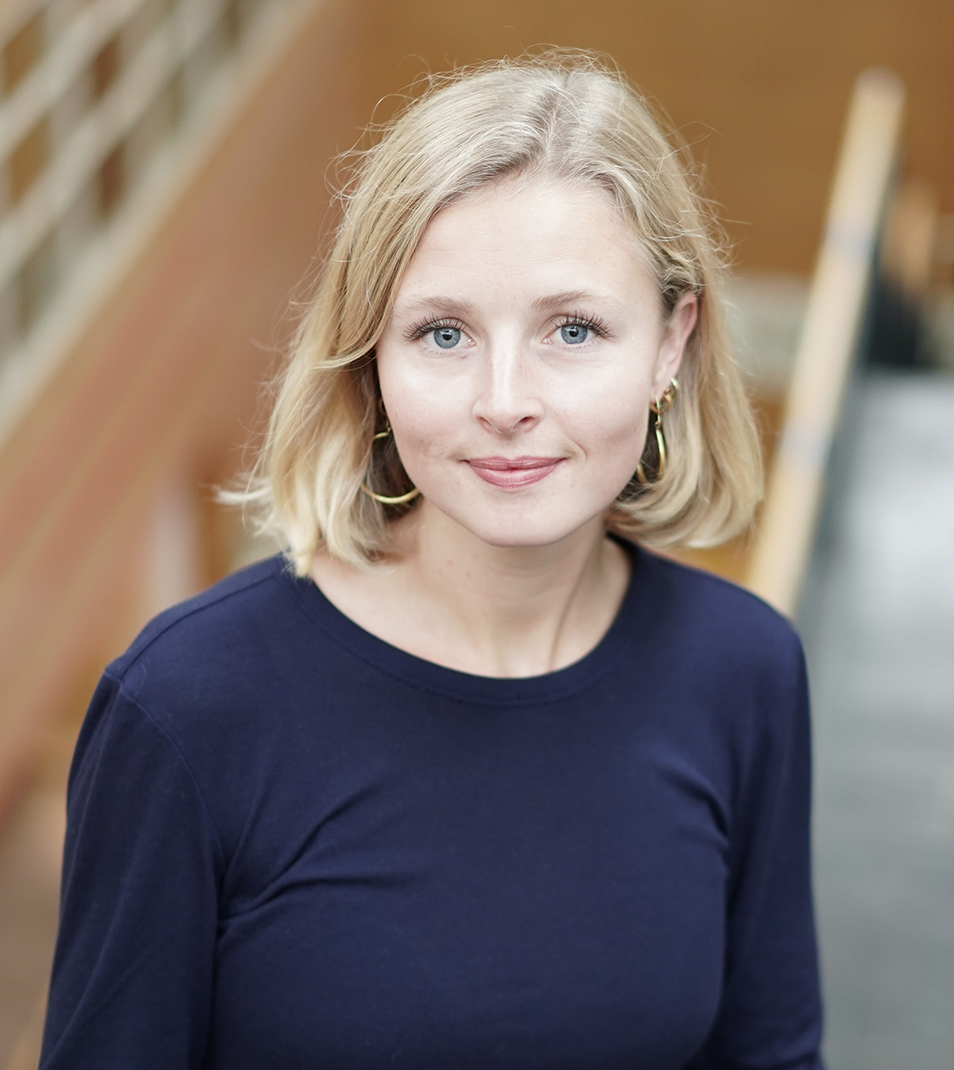
Kari Beate Remmen is an Associate Professor in the Department of Teacher Education and School Research at the University of Oslo, where she has been employed since 2016. Her academic work focuses on science and geography education with particular emphasis on outdoor learning environments, field-based teaching approaches, and the integration of sustainability concepts into educational practices.
Dr. Remmen's research interests include exploratory field teaching in geosciences, outdoor education in science education and teacher training, collaboration between school teachers and external science professionals, video observation of teaching and learning in earth sciences, and using representations in science teaching. She has developed frameworks for effective fieldwork design that support student learning processes throughout preparation, fieldwork, and follow-up activities.
Her extensive publication record from 2013-2024 reveals consistent focus on practical applications of educational theory. Remmen's work frequently addresses how fieldwork and outdoor learning can enhance deep learning experiences, with particular attention to the transition between classroom instruction and outdoor activities. Her research shows strong commitment to understanding how students and teachers engage with scientific concepts in real-world settings.
As an educator, Remmen teaches courses in geography didactics for practical pedagogical education programs, geoscience didactics for the Geosciences program, and research methods courses. She has served as supervisor for numerous master's students and is currently guiding several PhD candidates from multiple institutions.
Dr. Remmen actively collaborates with institutions including the Climate House (NHM, UiO), OsloMet, University of Tromsø, School Laboratories in Geosciences at UiO and UiB, Science Centre (UiO), and University of Sherbrooke (Canada). She currently leads the National Network for Sustainability and Education (NABU) and serves on the board of the Norwegian Geographical Society.
Her research has been conducted through projects such as 'Representation and Participation in Science (REDE)' and as part of the 'Challenges of Sustainability in Educational Research (COSER)' research group, reflecting her commitment to sustainable educational practices and meaningful science learning experiences.