معرفی
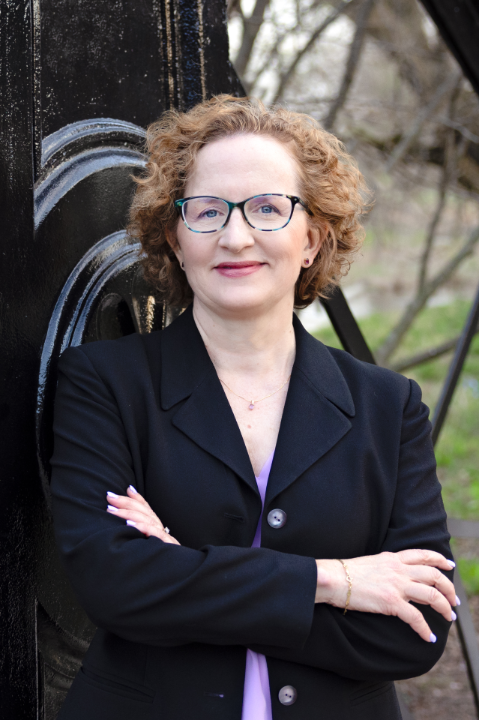
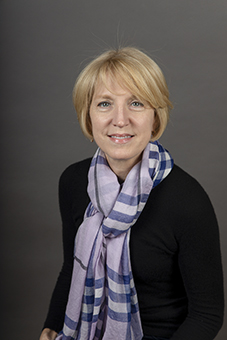
Karen Mathews is an Associate Professor in the Department of Art & Art History at the University of Miami's College of Arts and Sciences. Her academic focus centers on medieval art history with particular expertise in Mediterranean visual culture, especially the art and architecture of Pisa and other Italian maritime republics.
Professor Mathews' research interests span multiple interconnected fields that examine the complex cultural exchanges across the medieval Mediterranean. Her work primarily focuses on Medieval Art History, with special attention to Islamic Art influences on Christian territories. She investigates Material Culture and Spolia Studies, examining how ancient artifacts were reused in medieval contexts. Her scholarship also encompasses Mediterranean Trade Networks, Pisan Architecture, and Merchant Culture in the Italian maritime republics. Professor Mathews has made significant contributions to understanding how water shaped urban identity in medieval port cities, the visual representation of cultural encounters, and the role of Islamic ceramics in Christian architectural decoration.
Professor Mathews' scholarly output demonstrates consistent engagement with interdisciplinary methodologies, blending art historical analysis with archaeological, anthropological, and historical approaches. Her work reveals patterns of cross-cultural exchange in the medieval Mediterranean, particularly focusing on how objects moved between Islamic and Christian territories through both trade and conflict. She has developed innovative frameworks for understanding spolia not merely as reused materials but as active participants in cultural dialogue and identity formation.
As an educator, Professor Mathews integrates technology into art historical pedagogy, as evidenced by her work on augmented reality applications for virtual art exhibitions and 3D modeling of historic architecture. Her teaching reflects her research interests, offering students opportunities to engage with both traditional art historical methods and digital humanities approaches.