معرفی
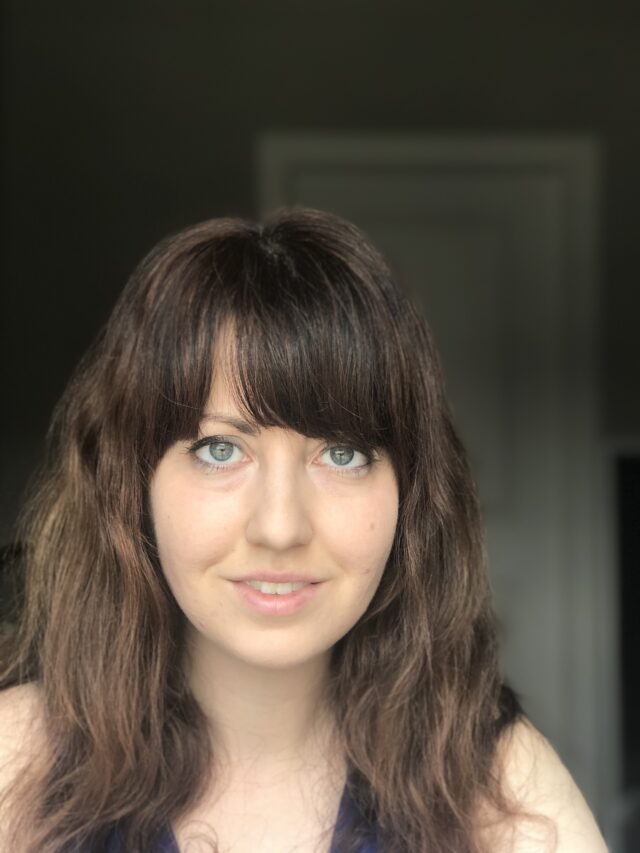
Kara Lamb serves as an Associate Research Scientist in the Department of Earth and Environmental Engineering at Columbia Engineering (Fu Foundation School of Engineering and Applied Science) and is an Affiliate of Columbia's Data Science Institute, with additional center affiliations in Computing Systems for Data-Driven Science and Education. Her research bridges atmospheric observations and high-resolution climate modeling to investigate aerosol-cloud interactions and their climate impacts.
Her educational background includes:
- Ph.D. in Physics, University of Chicago
- M.S. in Physics, University of Chicago
Dr. Lamb's research expertise spans Climate Science and Atmospheric Physics with specialized focus on aerosol sources, optical properties, and direct climate effects. She pioneers the integration of data science and machine learning with traditional process-based approaches to study cirrus cloud ice growth, wildfire risk mitigation through optimized cloud seeding, and climate model development. Current methodologies combine laboratory/field measurements with AI-enhanced simulations.
Major scientific recognitions:
- NSF Graduate Research Fellow
- NDSEG Fellow
She currently leads multiple high-impact research initiatives including Principal Investigator for a DOE-funded project on depositional ice growth in cirrus clouds and co-Principal Investigator for a Zegar Family Foundation project applying artificial intelligence to cloud seeding optimization. As co-leader of an NSF LEAP Center project on ice microphysics and collaborator on NASA's Digital Twins for Climate Science, she directs interdisciplinary teams spanning NOAA field campaigns (FIREX Firelab), NASA aircraft missions (KORUS-AQ, AToM), and academic partnerships. Her grant portfolio demonstrates strategic integration of federal and private funding for climate solutions.
Dr. Lamb maintains active roles in Columbia's Data Science Institute research ecosystems and contributes to environmental computing initiatives, leveraging extensive experience from NOAA's Chemical Sciences Division where she investigated absorbing aerosols and their climate forcings through major international field studies.