معرفی
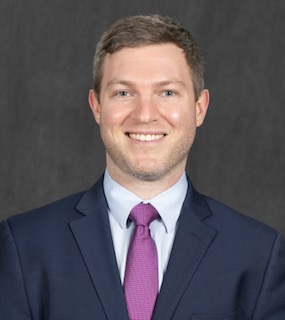
Kajsa Tenland is a Researcher in the Department of Ophthalmology at Lund University's Faculty of Medicine, actively contributing to the Ophthalmology Imaging Research Group and teaching the Medical Programme. Her work directly supports UN Sustainable Development Goal 3 (Good Health and Well-being) through innovations in surgical perfusion monitoring.
Her research specializes in ophthalmic reconstructive surgery, focusing on blood flow dynamics during eyelid and forehead flap procedures. Using advanced techniques like laser speckle contrast imaging and hyperspectral imaging, she investigates how surgical manipulations (stretching, rotation, traction) impact tissue perfusion. Key themes include:
- Quantifying perfusion thresholds for flap viability
- Optimizing flap dimensions and surgical techniques
- Developing non-invasive monitoring protocols for reconstructive outcomes
Recent publications (2023-2025) reveal a concentrated trend toward real-time perfusion mapping during oculoplastic surgery, with increasing technical sophistication in imaging analysis and biomechanical stress modeling. Her work bridges clinical ophthalmology with biomedical engineering to improve surgical precision.
Scientific awards: No honors or fellowships were documented in the source material.
Tenland collaborates on two major ongoing projects funded since 2016: (1) Flap monitoring during oculoplastic reconstructive surgery developing non-invasive imaging techniques, and (2) Strabismus - new surgical and examination techniques. Both involve multidisciplinary teams including surgeons, engineers, and doctoral students, with Tenland serving as core researcher in the former and previously as research student in the latter.
She operates within Lund University's Ophthalmology Imaging Research Group, which integrates clinical practice with engineering innovation to advance surgical monitoring capabilities for complex oculoplastic reconstructions.