معرفی
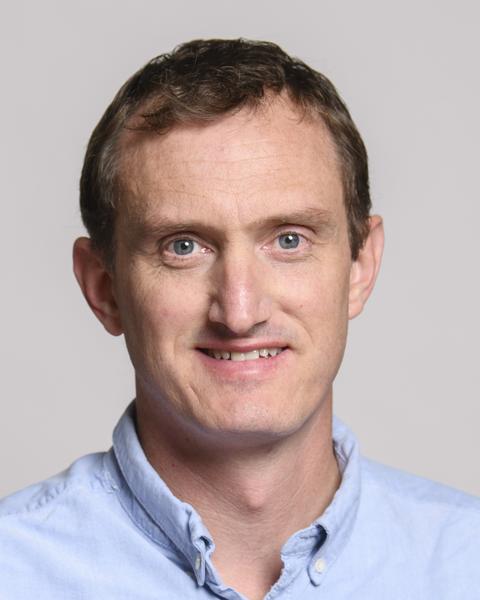
Kaitlyn Gaynor serves as Assistant Professor in the Department of Zoology and Botany at the University of British Columbia's Faculty of Science, leading the Gaynor Lab within the Biodiversity Research Centre. Her research program investigates human impacts on biodiversity through interdisciplinary approaches integrating behavioral ecology, community ecology, and socio-ecological systems.
Education
- B.A., Columbia University
- Ph.D., University of California - Berkeley
- Postdoctoral Fellow, National Center for Ecological Analysis and Synthesis (NCEAS)
Research Focus Dr. Gaynor's work centers on three interconnected themes: behavioral responses to human presence (including temporal/spatial activity shifts), anthropogenic effects on species interactions (notably her Human Shield Hypothesis where human presence alters predation risk), and socio-ecological conservation dynamics. Her methodology combines large-scale data synthesis with field studies across North America, Africa, and Asia to address urgent conservation challenges in rapidly changing landscapes.
Research Trends Analysis of her 2024-2025 publications reveals accelerating integration of artificial intelligence in biodiversity monitoring, heightened focus on climate change impacts (including extreme weather events), and critical examination of scientific terminology for inclusivity. Her work increasingly bridges ecological theory with practical conservation applications through technological innovation.
Scientific Recognition
- Early Career Fellow, Ecological Society of America (2024)
- Sloan Research Fellow, Alfred P. Sloan Foundation (2024)
Mentorship & Collaboration Dr. Gaynor actively mentors graduate students and postdocs in the Gaynor Lab, fostering interdisciplinary collaboration through platforms like GitHub for reproducible research. Her lab emphasizes inclusive team science while addressing complex human-wildlife coexistence challenges across multiple continents.
Research Infrastructure The Gaynor Lab operates within UBC's Biodiversity Research Centre, maintaining field sites in North American national parks, African savannas, and Asian ecosystems. Current projects examine human disturbance gradients, predator-prey dynamics in human-altered landscapes, and socio-ecological frameworks for conservation policy.