معرفی
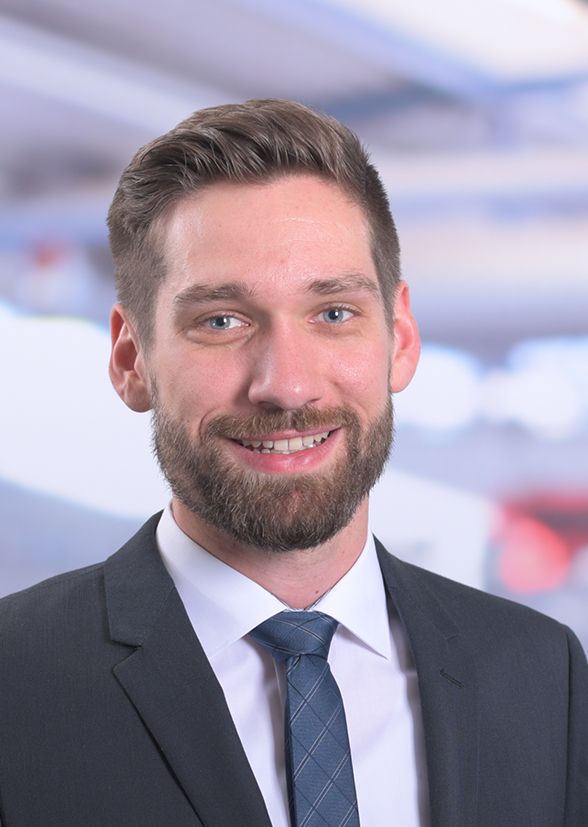
Kai Rewitz serves as Senior Engineer and Team Leader for User Behavior and Comfort at the Chair of Building and Room Climate Technology (EBC) within the E.ON Energy Research Center at RWTH Aachen University. He joined the institution in 2012 as a scientific assistant after completing his Mechanical Engineering diploma, was promoted to Oberingenieur in 2021 following his distinguished PhD completion, and has led the User Behavior and Comfort team since 2019.
Education:
- Diploma in Mechanical Engineering, RWTH Aachen (2012)
- PhD (Dr.-Ing.) in Thermal Comfort Modeling, RWTH Aachen (2020)
His research centers on energy-efficient climate control strategies for buildings and vehicle cabins (especially electric vehicles), thermal comfort modeling through human subject studies, cloud-connected sensor systems for indoor climate monitoring, user-centered building optimization via feedback/feedforward interfaces, and indoor air quality analysis regarding human health and olfactory perception. This interdisciplinary work bridges mechanical engineering, environmental science, and human factors to create sustainable, health-focused built environments.
Analysis of his 15 most recent publications (2024-2025) reveals dominant trends in personalized environmental control systems (PECS), vehicle cabin climate dynamics, and health-performance impacts of indoor environments. Key cross-cutting themes include thermal comfort optimization, indoor air quality enhancement, energy-efficient ventilation strategies, and AI-driven sensor technologies for real-time environmental monitoring.
Scientific recognition:
- Borchers Plakette, RWTH Aachen University (2020)
Dr. Rewitz supervises the course "Grundoperationen der Energietechnik" (Basic Operations of Energy Technology) and leads a 10+ member research team. His work is funded by major projects including DataFEE (user-centered energy-efficient building operation through advanced analytics) and EnModuS (optimization of modular shopping centers using energy data), with strong industry collaboration for practical implementation.
He directs development of innovative measurement systems like semi-wireless skin temperature monitors and infrared occupant detection solutions, while contributing to national guidelines such as the "Klassenräume SMART sanieren" framework for school renovations and pandemic-era ventilation standards for infection control in public spaces.