معرفی
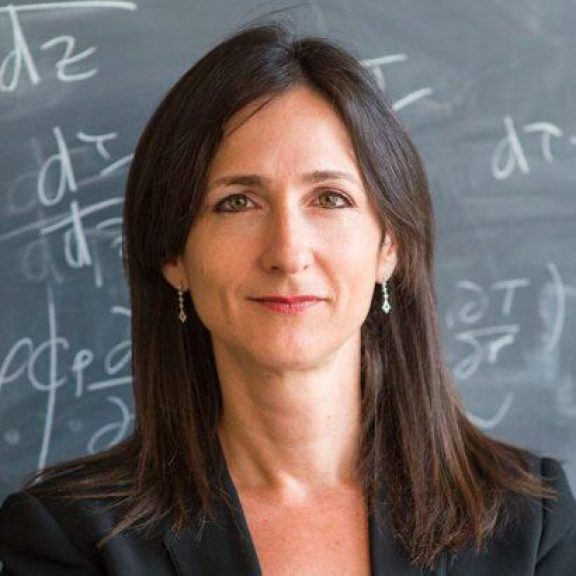
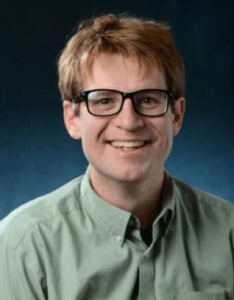
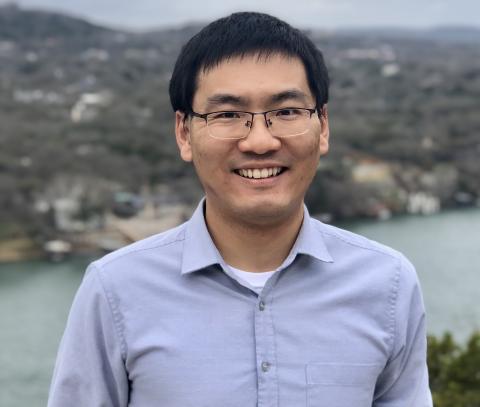
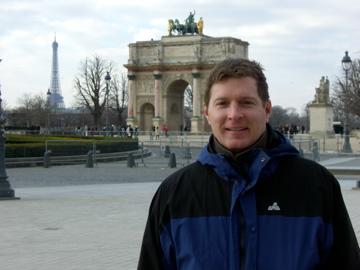
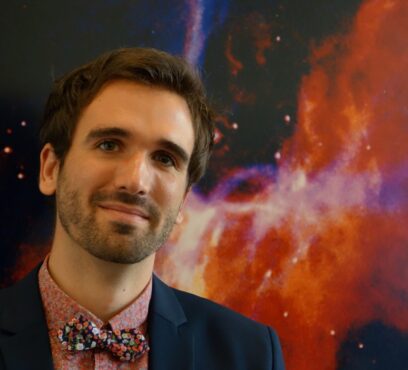
Julien de Wit is an Associate Professor in the Department of Earth, Atmospheric and Planetary Sciences (EAPS) at the Massachusetts Institute of Technology (MIT), where he leads research in exoplanet detection and atmospheric characterization. He began his faculty appointment in July 2018 after completing his PhD and postdoctoral work at MIT under Professor Sara Seager. His work bridges data science and planetary science to uncover new worlds and understand their physical processes.
His research focuses on exoplanets, particularly the development of novel data analysis techniques to map planetary atmospheres, infer mass from transmission spectra, and study planet-star interactions. He has played a pivotal role in the discovery and characterization of the TRAPPIST-1 system, one of the most promising targets in the search for life beyond Earth. His group utilizes data from space telescopes such as Hubble, Spitzer, and the James Webb Space Telescope (JWST), as well as ground-based facilities like TRAPPIST and SPECULOOS.
The recent publications highlight a strong trend in atmospheric mapping, transmission spectroscopy, and planet-star interactions, with a focus on terrestrial and hot Jupiter exoplanets. His work spans observational astronomy, theoretical modeling, and data science, aiming to contextualize planetary properties within broader physical frameworks. He is actively involved in proposing and analyzing JWST observations to probe the atmospheres of temperate Earth-sized planets.
- Innovators Under 35 2017
- Innovator of the Year, Belgium
Julien de Wit has advised and collaborated with numerous researchers and students, contributing to major discoveries such as the first cloud map of an exoplanet and the detection of stellar pulsations induced by a planet. He is leading the deployment of the SPECULOOS Northern Observatory (ARTEMIS) in Tenerife and is involved in multiple NASA missions including TESS and GPX. His work is supported by institutional and mission-based grants, particularly through MIT and NASA collaborations.
He leads a research group focused on exoplanet discovery and characterization, working closely with the SPECULOOS consortium and the TRAPPIST team. His lab develops advanced data analysis pipelines and theoretical models to interpret photometric and spectroscopic observations. The team is preparing for future JWST cycles and expanding ground-based survey capabilities to find the nearest potentially habitable worlds.