معرفی
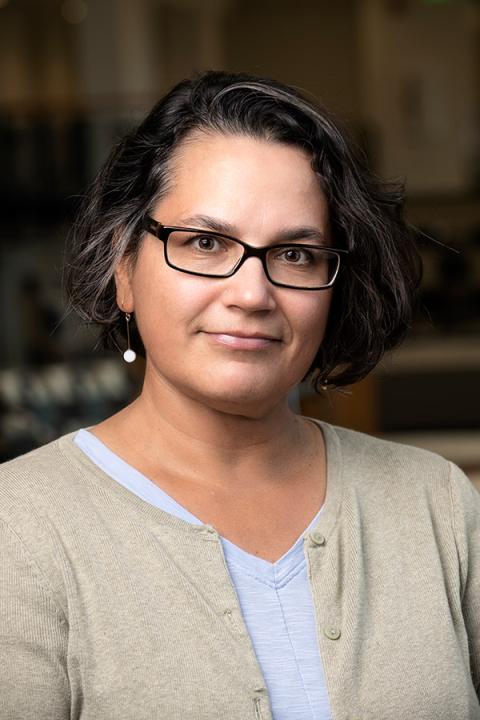
Julia E. Rodriguez is Professor of History at the University of New Hampshire, where she has taught since 1999 specializing in Atlantic history, history of science/medicine, Latin America, and gender studies. Her work bridges historical scholarship with digital humanities through the HOSLAC teaching platform.
Her educational background includes:
- B.A. Liberal Arts & Sciences from The New School
- M.A. Sociology from The New School
- M.Phil. from Columbia University
- Ph.D. History from Columbia University
Research focuses on science-state relationships in Latin America, transnational anthropology, and decolonial approaches to museum studies. Current projects examine origins of Americanist anthropology through land evidence and eclipses in scientific expeditions, emphasizing gender and colonial power structures. Her scholarship consistently connects historical analysis with contemporary social justice issues in science and education.
Recent publications demonstrate methodological innovation across deep history periodization, museum representation critique, and material evidence in anthropology. These works collectively advance decolonial frameworks within history of science while maintaining rigorous archival foundations.
Major recognitions include:
- NSF CAREER Award for Latin American citizenship research
- ACLS Fellowship
- Peggy Rockefeller Visiting Scholar at Harvard (2011-12)
- Multiple awards from New England Council for Latin American Studies and American Association for History of Medicine
Research funding highlights:
- NSF: Science, State, and Citizenship in Latin America (2006-2011)
- ACLS: The Science of Citizenship in Latin America (2007)
- NSF: Encoding the Criminal (2001-2002)
- Harvard: Myths of Civilization Fellowship (2012)
As editor of HOSLAC (History of Science in Latin America and the Caribbean), she maintains a significant digital humanities presence with open-source teaching resources used internationally.