معرفی
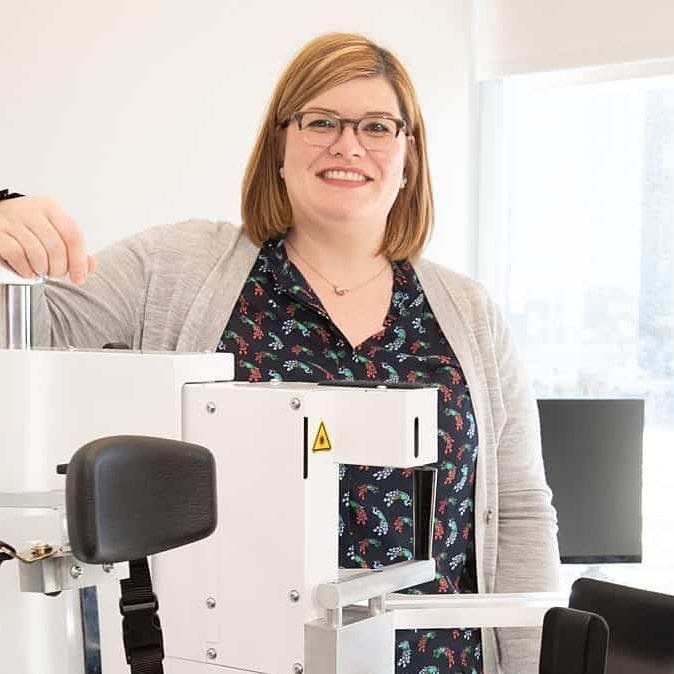
Juergen Konczak is a Professor in the School of Kinesiology at the University of Minnesota and holds an adjunct associate professorship in Neurology. He serves as the Director of the Human Sensorimotor Control Laboratory, where he leads research in motor control, proprioception, and rehabilitation technologies. His interdisciplinary work bridges kinesiology, neuroscience, and biomedical engineering.
Research Interests: Dr. Konczak's research focuses on understanding human sensorimotor control, particularly in neurological disorders such as Parkinson’s disease and dystonia. His expertise spans biomechanics, motor control, neuromechanics, neuroscience, rehabilitation, and robotics. He investigates proprioceptive acuity, motor function, and the development of wearable and robotic technologies for therapeutic intervention.
Publication Trends: His recent publications (2021–2025) reflect a strong emphasis on sensory feedback mechanisms, robotic rehabilitation, and non-invasive neuromodulation. Key themes include vibrotactile stimulation for cervical dystonia, robotic devices like WristBot for hand rehabilitation, and neural underpinnings of motor impairments in cerebellar and Parkinsonian disorders. These works are published in high-impact journals in neurology, physiology, and rehabilitation.
Scientific Awards:
- Honorary Fellow at the Institute of Advance Studies (2017)
- Marty and Jack Rossmann Faculty Award (2018)
- Senior Lecturer Award (2014)
Advising and Grants: Dr. Konczak is actively accepting PhD students and has secured significant funding from the National Science Foundation, NIH, and the National Spasmodic Dysphonia Association. His funded projects include wearable neuromodulation devices, robotic rehabilitation systems (WristBot), and vibrotactile therapies for dystonia and stroke. These grants highlight his leadership in translational research aimed at improving motor function through innovative technology.
Labs and Teams: He leads the Human Sensorimotor Control Laboratory, a multidisciplinary team that integrates engineering, neuroscience, and clinical research to develop and test novel rehabilitation technologies. His collaborations span institutions in the U.S. and Germany, particularly in multicenter studies on cerebellar disease and Parkinson’s.