معرفی
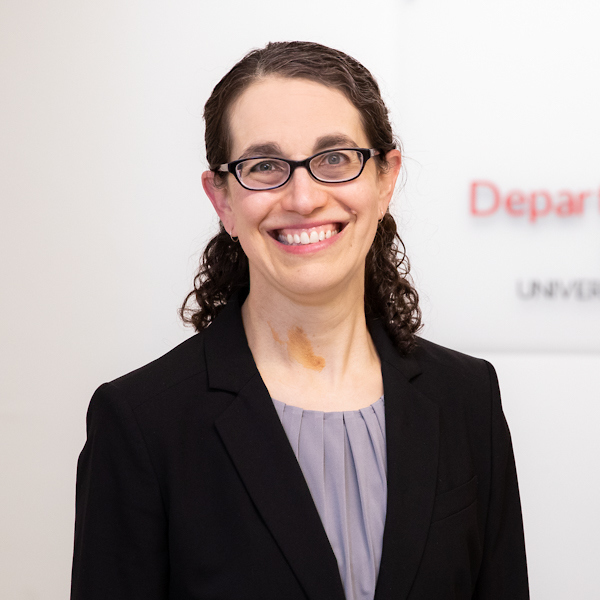
Joseph P. Carbonari is a faculty member in the Department of Psychology at the University of Houston, part of the College of Liberal Arts and Social Sciences. He holds an Ed.D. from Northern Illinois University and completed his undergraduate education at Monmouth College. His primary academic affiliation is with the Department of Psychology, where he contributes to research and teaching in behavioral science and quantitative methods.
- Undergraduate: Monmouth College
- Doctor of Education (Ed.D.): Northern Illinois University
Dr. Carbonari's research centers on behavior change, particularly within the framework of the Transtheoretical Model (Stages of Change), with a focus on addictions, smoking cessation, and alcoholism treatment. He investigates how individuals progress through stages of change, the psychological processes involved, and how self-efficacy influences outcomes in dual diagnosis patients. His work integrates health psychology with advanced statistical modeling, including structural equation modeling and categorical data analysis.
His publication record, primarily from the 1990s, reveals a strong focus on addiction treatment, especially the interplay between psychiatric severity and behavioral change. Key themes include gender differences in smoking cessation, treatment matching, and the development of assessment tools like the Alcohol Abstinence Self-Efficacy Scale. His research often collaborates with prominent scholars such as Carlo C. DiClemente, contributing significantly to the empirical validation of stage-based interventions.
Although no formal awards are listed in the provided text, his contributions to addictive behaviors and health psychology research are evident through his publications in journals such as Addictive Behaviors, Health Psychology, and Journal of Consulting and Clinical Psychology.
Dr. Carbonari advises students in psychology and teaches advanced statistical methods, including multivariate analysis and structural equation modeling. While no current students or grants are listed, his methodological expertise supports both research and training in psychological science. There is no mention of specific laboratories or research teams in the provided information.